Packing Up the Bathroom: What to Keep, Toss, and Protect Before Moving
The bathroom might be one of the smallest rooms in your home, but packing it takes more planning than you'd expect. Between half-used toiletries, fragile mirrors, cleaning products, and everyday essentials, there's plenty to sort through before moving day. Knowing how to pack a bathroom for moving will help you avoid spills, broken items, and the frustration of searching through boxes for your toothbrush.
If you're preparing for a move in Paragould, Arkansas, deciding what to pack, discard, or temporarily store is a useful first step. At Climate Care Storage, we offer storage options in Paragould for belongings that need a place during your transition. Before filling those boxes, though, it's worth taking a closer look at what belongs in them.
Start by Sorting Through Your Bathroom
Before reaching for packing supplies, empty your bathroom cabinets, drawers, and shelves. Bathrooms tend to collect products that haven't been used in months, including expired medications, nearly empty bottles, and toiletries that have been replaced but never thrown away. Separate everything into items you'll keep, products you can safely discard, and essentials you'll need until moving day. Check expiration dates on medications and personal care products, and inspect containers for leaks or damage. There's little reason to spend time packing something you won't use in your new home.
Pay particular attention to the medicine cabinet. The FDA's guidance on disposing of unused medications explains how to use drug take-back programs and other appropriate disposal methods. Avoid throwing medications away carelessly or flushing them unless specifically directed.
Once you've sorted everything, wipe down the empty shelves and drawers. Let them dry before packing anything that will remain inside, such as removable organizers or small accessories.
Gather the Right Packing Supplies
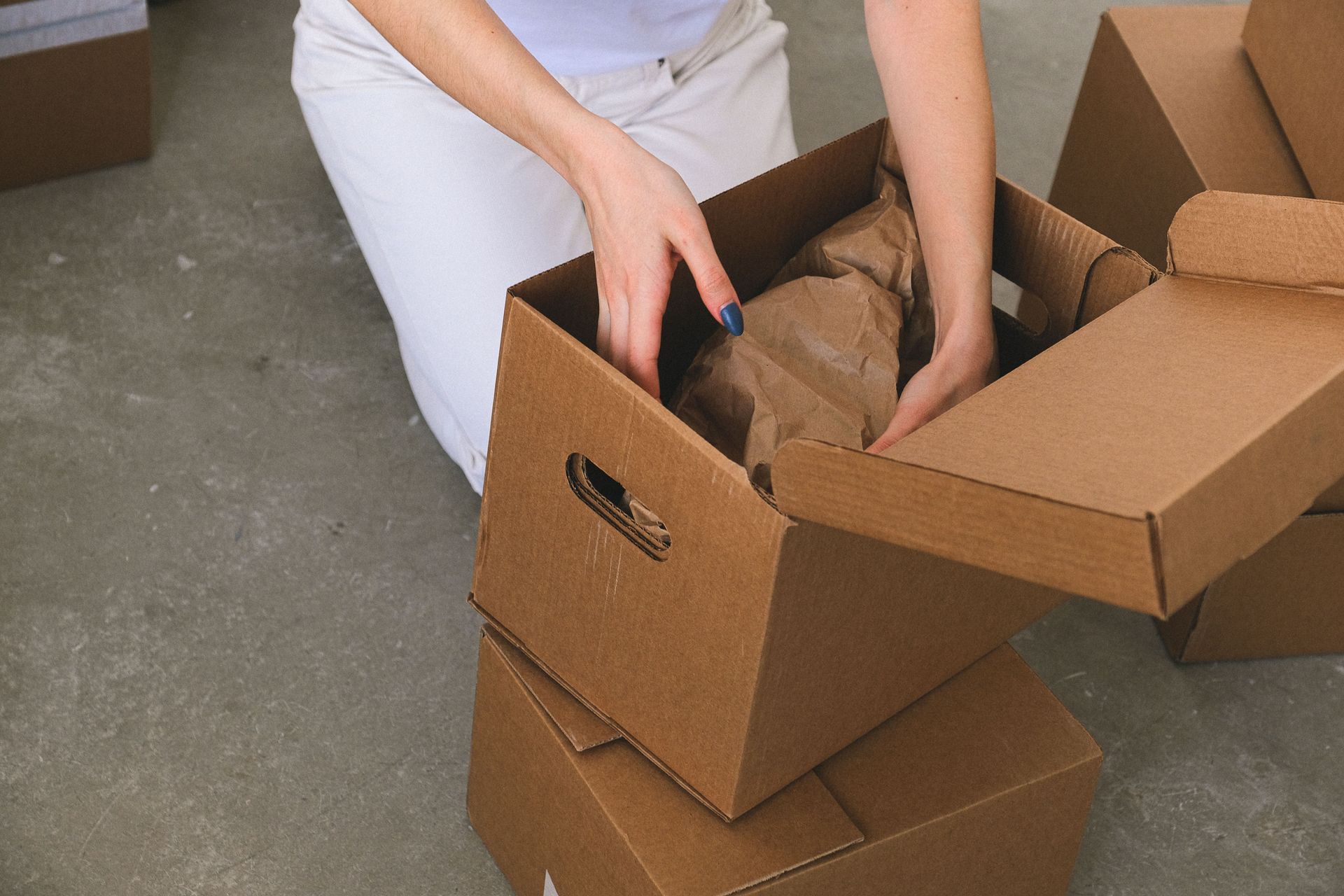
Bathroom items vary considerably in size and material, so one large cardboard box isn't the best solution for everything. Small, sturdy boxes work better for toiletries and heavier items, while plastic containers with secure lids are useful for products that could leak. You'll want packing paper, resealable plastic bags, bubble wrap, and tape. Keep a permanent marker nearby to label boxes according to their contents rather than simply writing "bathroom" on every container.
Use clean towels and washcloths as cushioning around durable bathroom accessories. For delicate glass or ceramic pieces, packing paper and bubble wrap provide more reliable protection. Avoid packing fragile objects directly against one another, even when the box seems tightly filled.
How to Pack Bathroom Toiletries Without Spills
Shampoo, conditioner, lotion, and other liquid toiletries deserve extra attention because a single loose cap can damage everything packed around it. Start by checking each container for cracks, damaged pumps, or poorly fitting lids. For bottles you're keeping, remove the cap if possible, place a small piece of plastic wrap over the opening, and screw the cap back on. Put the bottle inside a sealed plastic bag for an additional barrier against leaks. Keep containers upright in a sturdy box or plastic bin, with packing material filling empty spaces. Pump bottles should be locked according to their design, if possible. For products that cannot be secured, consider transferring the contents to a suitable travel container or keeping them upright in a separate carrier during the move.
What About Makeup and Skincare Products?
Makeup and skincare products are easier to pack when organized by type. Place smaller containers inside cosmetic bags or divided organizers, and protect glass bottles individually with packing paper. Powder compacts, eyeshadow palettes, and glass perfume bottles are particularly vulnerable to damage. Cushion these items and avoid placing heavy products on top of them. Products with temperature-sensitive ingredients should stay with you rather than spending extended periods in a moving truck or storage unit.
Pack Bathroom Essentials Separately
One of the most useful bathroom packing tips is to prepare a separate bag for the first night in your new home. You don't want to unpack several boxes just to find toothpaste or a clean towel after a long moving day.
Keep the following items together in a clearly marked bag or small container:
- Toothbrushes, toothpaste, and dental floss
- Soap, shampoo, and other daily toiletries
- Toilet paper and hand towels
- Prescription medications and necessary personal care items
- A shower curtain and hooks, if your new bathroom needs them
- A few basic cleaning supplies appropriate for safe transport
Pack this bag last and keep it accessible during the move. Prescription medications should remain with you, particularly those that require specific storage conditions.
How to Pack Bathroom Mirrors and Fragile Accessories
Bathroom mirrors, glass shelves, ceramic soap dispensers, and decorative containers need more protection than ordinary toiletries. Even a short trip across Paragould can result in broken glass if fragile items shift inside a moving box. Wrap each item separately with packing paper, followed by bubble wrap where additional cushioning is needed. Place smaller objects in sturdy boxes with enough padding to prevent movement. Mark boxes containing breakable items as fragile and avoid stacking heavy containers on top.
Packing a Bathroom Mirror
For a removable bathroom mirror, start by checking whether it has a frame and how it's attached to the wall. Large or permanently mounted mirrors may require professional removal, particularly if they're glued directly to the surface. Once removed safely, protect the corners and wrap the mirror in a suitable protective covering. A properly sized mirror box offers better support than an oversized cardboard box. Keep the mirror upright during transport and secure it so it cannot tip over. For small countertop mirrors, wrap the glass and frame individually before placing them inside a cushioned box. If the mirror has a detachable stand, remove it when practical and pack the hardware in a labeled bag.
Handle Bathroom Cleaning Supplies Carefully
Cleaning supplies require a different approach from ordinary bathroom products. Bleach, drain cleaners, disinfectants, and other chemicals may have handling restrictions, and some should never be transported together. If you're hiring movers, ask which products they prohibit before moving day. Some hazardous materials cannot be included in a moving shipment. Don't place hazardous cleaning chemicals inside a storage unit without first confirming the facility's rules. For products you won't be keeping, follow the disposal instructions on the label and any applicable local waste requirements. Pouring chemicals down the drain or combining leftover cleaners isn't a safe shortcut.
Pack Towels, Shower Curtains, and Bathroom Linens
Towels and washcloths are among the easiest bathroom items to move, but they should be completely dry before packing. Even slightly damp fabric can develop an unpleasant odor when sealed inside a box for an extended period. Wash and dry bathroom linens before placing them in clean boxes or storage bags. Fold them compactly, but avoid compressing them alongside bottles that could leak. If you need cushioning for bathroom accessories, use clean towels around durable items rather than delicate glass.
Shower curtains and bath mats need similar preparation. Wash them according to their care labels and allow them to dry thoroughly before folding. For shower curtains with removable hooks, place the hooks in a labeled bag so they're easy to find when you're setting up the new bathroom. If your bathroom linens will remain packed for several months, our guide to preparing belongings for long-term storage covers additional ways to protect fabrics and other household items during extended storage.
How to Pack Bathroom Appliances and Accessories
Hair dryers, electric toothbrush chargers, curling irons, and other small appliances should be cleaned and completely dry before packing. Unplug each device, allow heated tools to cool fully, and coil cords loosely to prevent damage. Whenever possible, use the original packaging for appliances. Otherwise, wrap each device individually and place it in a sturdy box with adequate cushioning. Keep detachable attachments and accessories together in labeled bags.
For electric toothbrushes, follow the manufacturer's instructions for handling rechargeable batteries during transportation. Avoid packing devices with damaged batteries or exposed electrical components. Bathroom organizers, wastebaskets, and small shelves can be packed separately once they're clean and dry. If an organizer has removable drawers, secure them or pack them individually to prevent movement.
What Bathroom Items Shouldn't Go Into Storage?
Not everything from your bathroom belongs in a storage unit. Medications, hazardous cleaning chemicals, and products with strict temperature requirements should remain somewhere appropriate for their safe handling and use. At Climate Care Storage, our indoor, climate-controlled units in Paragould are designed for household belongings that benefit from protection against extreme temperature changes. These spaces are suitable for items such as properly packed bathroom linens, spare organizers, and other clean, dry household accessories. Climate control doesn't eliminate the need for careful packing or make prohibited materials acceptable.
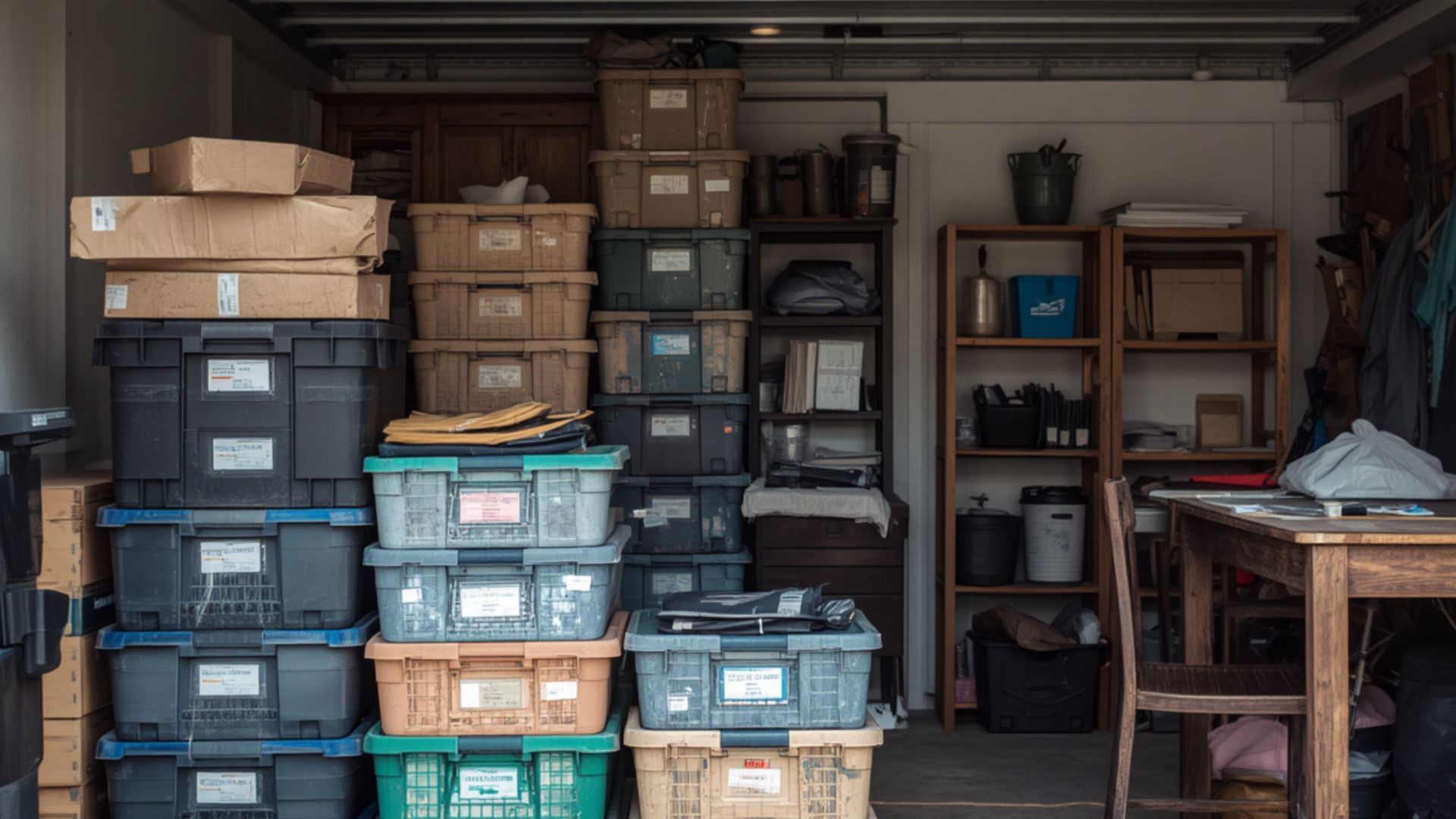
If you're storing bathroom belongings while moving or renovating, label each box clearly and keep frequently needed items toward the front of your unit. Before moving belongings into the space, our guide on how to clean a storage unit explains how to prepare the area and maintain an organized setup.
When Should You Pack Your Bathroom Before Moving?
Most bathroom items should be packed during the final few days before moving, since many products remain in daily use. Decorative accessories, spare towels, and backup toiletries can be packed earlier without disrupting your routine. Leave essential toiletries, medications, and the supplies needed for your final bathroom cleaning until the end. Once the room is mostly empty, inspect the cabinets, drawers, and areas beneath the sink for anything you may have overlooked.
Before leaving, check that you've removed personal belongings from the shower and medicine cabinet. If you're renting, follow your lease's cleaning requirements and leave enough time to wipe down fixtures and empty the bathroom trash.
Make Room for Your Move in Paragould
Packing the bathroom is easier when you separate daily essentials from items that can remain boxed until you're settled. Keep liquids contained, protect fragile accessories, and give yourself enough time to handle unwanted medications and cleaning chemicals properly. If your moving dates don't line up or you're temporarily storing household belongings during a renovation, we offer indoor, climate-controlled units at 2402 W Kingshighway in Paragould, just off U.S. Highway 49. Our available unit sizes include 5x5, 5x10, 10x10, 10x15, and 10x20, with access available 24 hours a day, seven days a week. You can explore
storage options from Climate Care Storage to compare available sizes and determine how much space you'll need for the belongings that won't be going directly into your new home.