Climate Controlled Storage Tips: A Complete Guide for Protecting Your Belongings in Arkansas

Josh Summerhays • February 13, 2026

When you store valuable belongings in Arkansas, you are storing them in a climate known for humidity, heat, and seasonal swings. Those environmental factors matter more than many people realize. Wood can warp, paper can discolor, electronics can corrode, and fabric can develop mildew when exposed to inconsistent temperatures and moisture.


That is why climate control is not simply an upgrade. It is often the difference between preservation and deterioration.


At Climate Care Storage, climate-controlled units are designed to help protect personal and business belongings from the effects of Arkansas weather. This guide shares practical, detailed climate-controlled storage tips to help you store smarter and protect what matters most.


Why Climate Control Matters in Arkansas


Arkansas has a humid subtropical climate. Summers are long, warm, and humid, while winters can bring freezing temperatures. According to the National Weather Service in Little Rock, summer humidity levels frequently rise to uncomfortable levels across the state, increasing the likelihood of moisture related damage in enclosed spaces. 


When items are placed in a traditional storage unit without temperature and humidity regulation, they are exposed to the same fluctuations as the outdoor environment. Over time, this exposure can cause:


  • Expansion and contraction of wood
  • Warping and cracking of furniture
  • Mold and mildew growth on fabric
  • Corrosion of metal components
  • Fading of photographs and artwork
  • Damage to electronics and media


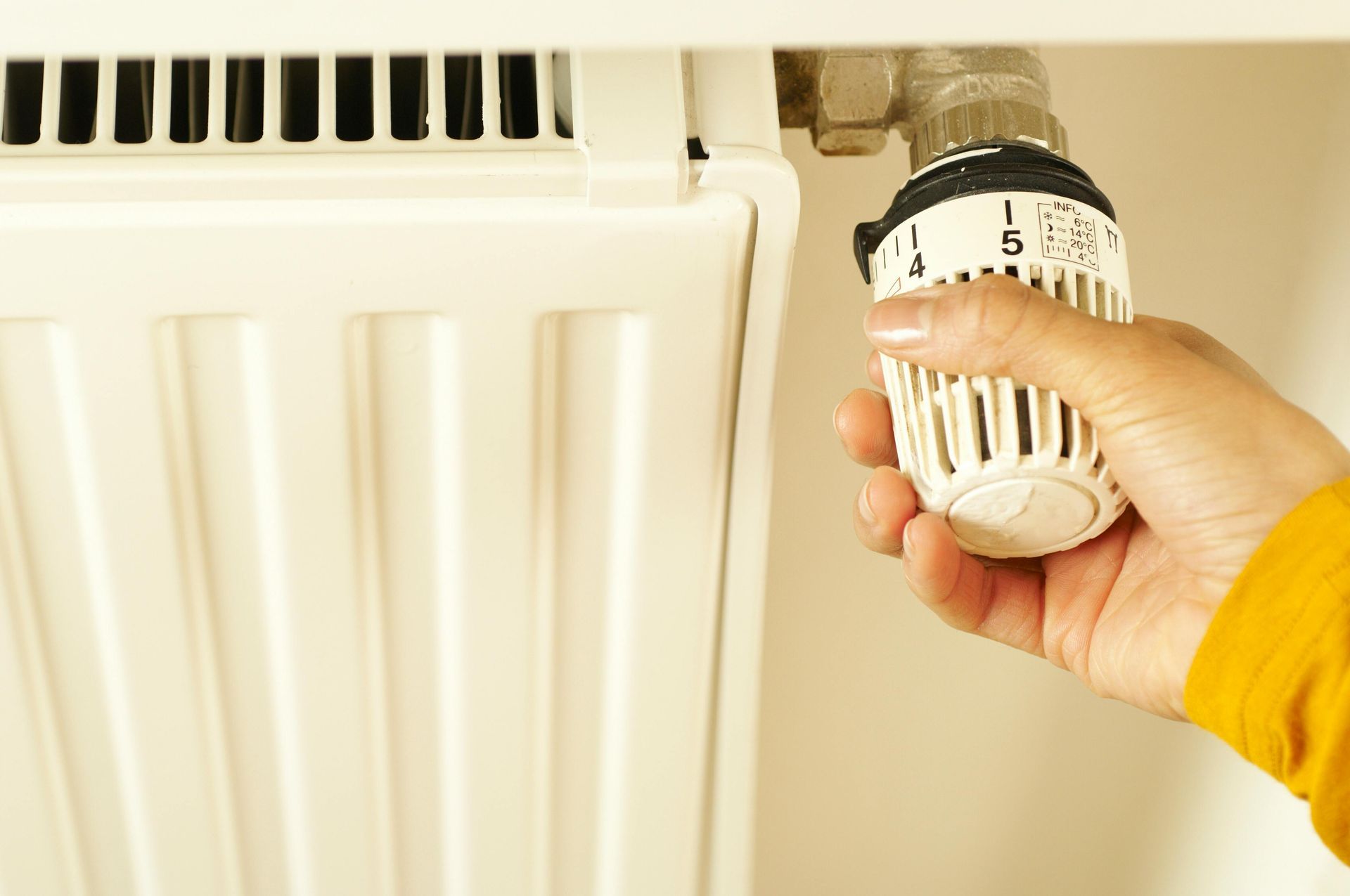
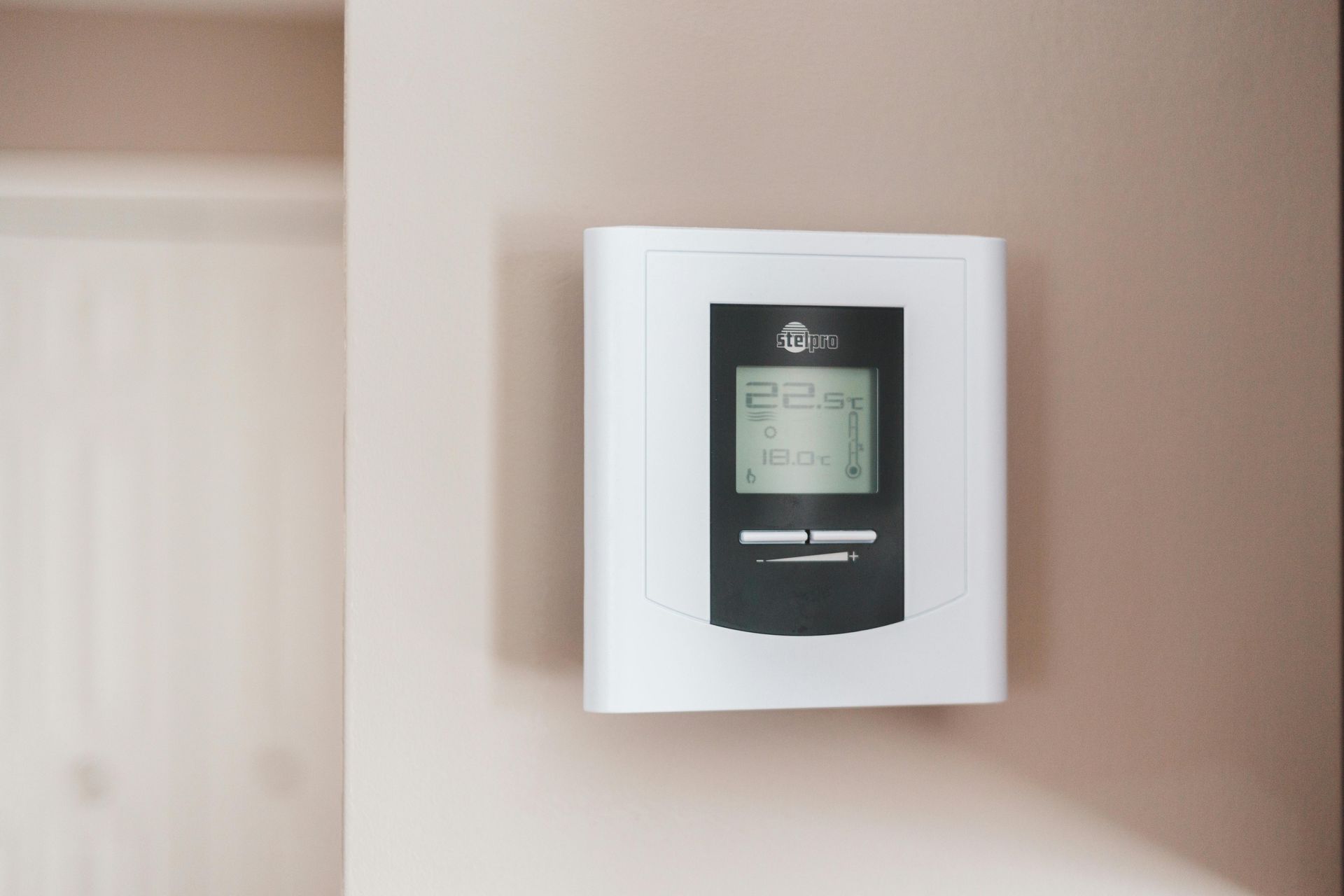
Climate controlled storage works by maintaining consistent temperatures and reducing excess humidity. That stability helps preserve structural integrity and surface appearance over time.


What Climate Controlled Storage Actually Does


It is helpful to understand how climate control differs from standard storage.


Climate controlled units maintain a regulated interior temperature, typically within a moderate range that avoids extreme heat or freezing cold. More importantly, these units also manage humidity levels. Reducing moisture in the air significantly lowers the risk of mold growth and material breakdown.


In Arkansas, where summer air can feel heavy and damp for months at a time, moisture control is especially important. High humidity creates ideal conditions for mildew and corrosion. Even items sealed in boxes are not immune if the surrounding air remains damp.


Consistent environmental control reduces stress on stored materials. Instead of repeatedly expanding and contracting with temperature changes, items remain stable. That stability is what protects their shape, texture, and performance.


Items That Benefit Most From Climate Control


While nearly anything can benefit from stable storage conditions, certain items are especially vulnerable to environmental changes.


Wood furniture and antiques are highly sensitive to moisture levels. Wood naturally absorbs and releases humidity from the air. In damp conditions, it can swell and warp. In dry or fluctuating conditions, it can crack. If you have solid wood dining tables, bedroom sets, or antique cabinets, climate control is a strong protective measure.


Electronics and media storage devices are another category to consider carefully. Internal components can corrode in high humidity. Condensation can form when temperatures shift quickly, increasing the risk of malfunction. Televisions, computers, gaming systems, and even small appliances benefit from a controlled environment.


Paper goods are often overlooked but highly vulnerable. Important documents, photographs, books, and artwork can fade, discolor, or develop mold in humid spaces. Once mold sets into paper fibers, damage is often permanent.


Fabric items such as upholstered furniture, clothing, mattresses, and bedding can absorb moisture from the surrounding air. Over time, that moisture can create musty odors and encourage mildew growth.


Musical instruments also require consistent conditions. Wood instruments in particular can lose shape or tuning stability if exposed to fluctuating humidity levels.


If you are unsure whether an item needs climate control, consider its material composition. Anything made of wood, fabric, leather, paper, or electronic components should be evaluated carefully.


Smart Preparation Before You Store


Even with climate control, preparation plays an important role in long term preservation. Good storage habits enhance the protection offered by regulated environments.


Start by thoroughly cleaning everything before it enters storage. Dust, dirt, and oils can degrade surfaces over time. Moisture trapped in fabric or cushions can encourage mildew, even in climate controlled conditions. Ensure all items are completely dry before packing.


Choose appropriate packing materials. Sturdy plastic containers with secure lids offer added protection from dust and pests. For delicate items, use acid free paper and protective wrap. Avoid newspaper for long term storage of valuables because ink can transfer.


Disassemble large furniture when possible. Removing table legs, shelving units, or bed frames not only saves space but also reduces stress on joints during storage. Wrap individual components to prevent scratches and surface damage.


Label boxes clearly and maintain an inventory list. Organized storage reduces the need to move items repeatedly, which minimizes accidental damage.


How to Organize a Climate Controlled Unit Effectively


Organization inside the unit matters more than many people expect. A thoughtful layout supports airflow, accessibility, and protection.


Leave a walkway through the center of the unit. This allows access to boxes without shifting everything around. Constant movement can weaken boxes and increase the risk of accidental drops.


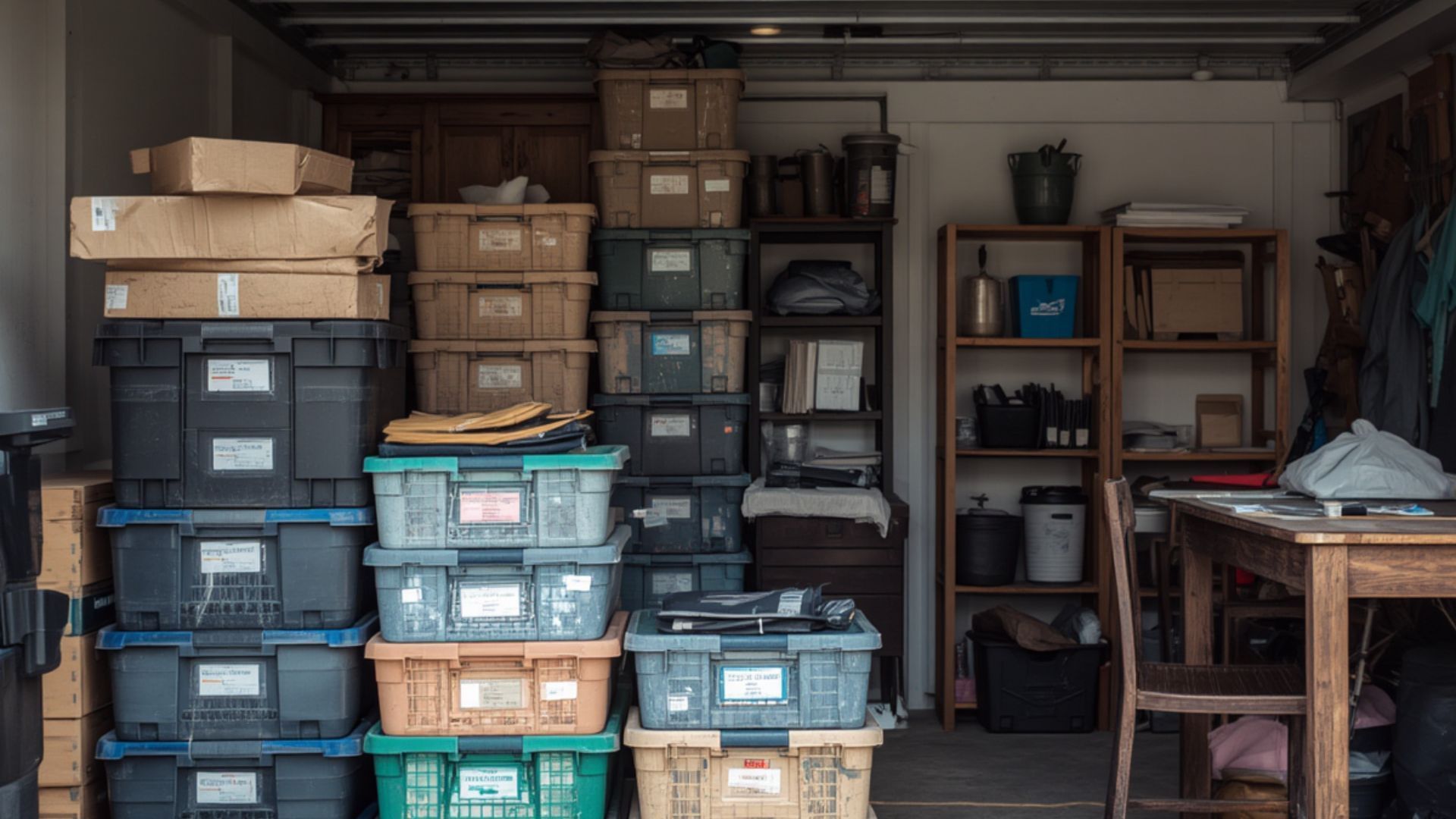
Place heavier boxes at the bottom and lighter ones on top. Avoid stacking fragile items under heavy weight. If possible, use shelving to keep boxes elevated slightly above the floor. Even in climate controlled spaces, elevation adds a layer of precaution.


Avoid pressing items tightly against walls. A small gap allows air circulation and reduces the chance of localized moisture buildup.


Resist the urge to pack the unit as tightly as possible. Airflow contributes to stable conditions. Overcrowding can restrict circulation and create uneven temperature pockets.


Short Term Versus Long Term Storage


Some people assume climate control is only necessary for long term storage. In Arkansas, that assumption can be risky.


Seasonal humidity peaks can cause noticeable damage in a relatively short period. A few months during peak summer heat may be enough to affect wood furniture or electronics stored without regulation.


Long term storage naturally increases exposure time, which increases risk. The longer items remain in an uncontrolled environment, the more cumulative stress they experience. Climate control becomes increasingly important when storing items for a year or longer.


If you plan to store family heirlooms, business records, or high value equipment, the additional environmental protection is often well justified.


Local Considerations for Paragould and Northeast Arkansas


Residents of Paragould and surrounding areas experience seasonal moisture and heat that can affect garages, sheds, and traditional storage units. Late spring and summer bring sustained humidity, while winter can introduce freezing temperatures that stress materials differently.


Climate controlled units offer a way to create consistency in a region where the outdoor climate is anything but consistent.


For additional storage insights, you can explore helpful resources on our blog, including guides on how to store wood furniture and what to store in a mini-storage space.


Common Misunderstandings About Climate Controlled Units


Some people believe climate control eliminates all risk. While it significantly reduces environmental stress, it does not replace careful packing and organization. Proper preparation remains essential.


Others assume only luxury items require climate control. In reality, everyday belongings such as mattresses, family photo albums, and standard electronics can suffer noticeable damage without stable conditions.


Another misconception is that climate control is unnecessary in moderate climates. Arkansas may not experience extreme desert heat or prolonged deep freezes, but its humidity levels alone create substantial risk for many materials.


Understanding these nuances helps you make informed decisions based on the items you are storing rather than assumptions about the environment.


Making Storage Decisions With Confidence


Choosing climate-controlled storage is about protecting the integrity of your belongings over time. By considering Arkansas weather patterns, understanding material sensitivity, preparing items properly, and organizing your unit thoughtfully, you create a layered approach to preservation.


Climate-controlled storage tips are not complicated, but they do require intention. Stable temperature and humidity provide a strong foundation. Proper cleaning, packing, and layout reinforce that protection.


When you combine environmental control with smart preparation, you significantly reduce the risk of warping, mildew, corrosion, and deterioration.

For those storing items in Paragould and the surrounding Arkansas communities, climate control offers consistency in a climate known for seasonal extremes.


To see available options designed for stable temperature and humidity, explore the climate-controlled storage units at Climate Care Storage.

June 27, 2026
A home project usually starts with a simple goal: paint the spare room, replace flooring, clear out a closet, fix a leak, or finally turn that extra room into something useful. Then the furniture has to go somewhere. For many Paragould homeowners, that “somewhere” becomes the hallway, garage, porch, bedroom corner, or back of a vehicle for longer than expected. The better way to think about storage during a home project is this: you are not just finding space for your belongings. You are creating enough room to work safely, move freely, and finish the project without tripping over boxes every day. At Climate Care Storage , we help Paragould renters and homeowners create that temporary breathing room with indoor, climate-controlled storage units near U.S. Highway 49 and nearby residential neighborhoods. Start by Separating What Must Stay Home From What Can Move Out The easiest home projects are the ones where you remove the right items before the work begins. Not everything needs to leave the house, but the items that slow down the project, collect dust, or block walkways are usually better off in storage for a short stretch. Start with the room you are working on. If you are painting, replacing flooring, reorganizing a bedroom, or updating a home office, move out the bulky items first: extra chairs, small tables, bookcases, décor bins, lamps, spare mattresses, and boxes that do not need to be accessed every day. Then look one room beyond the project area. This is where many people underestimate the mess. A dining room project spills into the kitchen. A bedroom reset spills into the hallway. A garage cleanup suddenly fills the laundry room. A simple rule helps: if an item will make the project slower, tighter, or more stressful, it is a good candidate for temporary storage. That does not mean you need to empty half the house. It means you give yourself enough open space to work without constantly moving the same pile from one corner to another. We see this often with Paragould households doing practical updates rather than full renovations: one or two rooms need space, not the whole home. Use Indoor Storage for Items That Should Not Sit in the Garage Indoor storage is especially useful when the items you are moving are not a great fit for a hot garage, damp shed, or open porch. Furniture, clothing, electronics, business records, seasonal decorations, and other household goods can be more sensitive to temperature and humidity than people expect. Climate Care Storage offers indoor, climate-controlled units in Paragould, which can help reduce exposure to Arkansas's heat, cold, and humidity while your home project is underway. That matters when the project timeline stretches. A weekend paint job can become a two-week room reset. A quick repair can pause while you wait for materials. Life gets in the way. This is where indoor storage earns its keep. For example, if you are clearing a bedroom to replace flooring, you may not want wood furniture, fabric bins, framed photos, or paperwork stacked in a garage while the room is torn apart. If you are reorganizing a home office, boxes of files or electronics should be kept in a more stable environment than a temporary pile in the corner. Not every item needs climate control, of course. But for household belongings you would not feel comfortable leaving in a shed through an Arkansas summer, indoor storage is the safer planning choice. Match the Unit Size to the Project, Not the Whole House Choosing storage for a home project works best when you size the unit around the job you are doing. A closet cleanout, spare-room reset, and flooring project do not all need the same amount of space. Climate Care Storage lists several indoor climate-controlled unit sizes in Paragould, including 5x5, 5x10, 10x10, 10x15, and 10x20 units. A smaller unit may make sense when you are moving out boxes, décor, and small household items. A larger unit may be a better fit when furniture, multiple rooms, or bulky items are involved. Here is the practical way to plan it: Walk the room before you rent. Make a quick list of what needs to leave. Then group items into three categories: boxes and totes, furniture, and awkward items. Awkward items are the ones that do not stack neatly, such as lamps, chairs, framed art, or oddly shaped home décor. That last category is what usually changes the size decision. Ten neatly packed boxes are easy to plan for. A chair, a floor lamp, a bookcase, and three fragile décor pieces need more breathing room. If you are unsure, use the Storage Unit Size Guide for Paragould before choosing a space. It is better to think through the layout before move-in day than to discover that everything technically fits but leaves no room to reach what you need. Plan Access Around How the Project Will Actually Happen A temporary storage unit is most helpful when it fits the rhythm of the project. Some people load everything once, finish the project, and bring it all back. Others need to visit the unit several times as rooms are finished in stages. Climate Care Storage’s Paragould facility offers 24-hour access, which can be helpful for renters and homeowners working around jobs, school schedules, contractors, or weekend project time. If you are updating a room after work or moving items back home in phases, access flexibility can make the process less frustrating. Still, good access only helps if you pack the unit with a plan. Place items you may need sooner near the front. Keep project-related items together. Do not bury hardware, cords, paperwork, or small parts behind large furniture. Label boxes clearly on more than one side, especially if you are using similar totes. A little structure here prevents the classic storage mistake: needing one item and having to unload half the unit to find it. For home projects near residential areas around Paragould, that practical loading plan can matter more than people think. You may be making short trips between the house and the facility, so each visit should be quick and purposeful. Keep the Project Moving Without Turning the House Upside Down The real value of temporary storage during a home project is not just the extra square footage. It is the calmer process. You can paint without shifting furniture from wall to wall. You can replace flooring without stacking boxes in bedrooms. You can reset a spare room without turning the living room into a storage zone. And if the project takes longer than planned, your belongings are not sitting in the way while everyone works around them. This approach is especially useful for common home projects like: clearing furniture before painting or flooring work storing seasonal decorations during a garage or attic cleanout moving household items during repairs organizing a home office or spare bedroom making space before guests arrive protecting boxes and belongings during a room-by-room reset The key is to treat storage as part of the project plan, not a last-minute scramble. Decide what needs to move, choose a unit size that fits the actual items, and pack with return trips in mind. If you want help choosing the right space for a home project, contact Climate Care Storage in Paragould or review our storage units FAQ before you rent. We can help you think through what you are storing, how often you may need access, and which available unit size makes sense for the job. Frequently Asked Questions What size storage unit do I need for a home project? It depends on the project scope and the items being moved. A smaller unit may work for boxes, décor, and closet overflow, while furniture or multi-room projects may require more space. Climate Care Storage offers several listed unit sizes in Paragould, and the size guide can help you compare options before renting. Is indoor storage useful for short-term projects? Yes, indoor storage can be useful even for short-term projects if it keeps furniture, boxes, records, or household items out of the way while work is being done. It is especially helpful when a project timeline may change or when items should not sit in a garage, shed, or porch. Should I move everything back at once after the project? Not always. For room-by-room projects, it may be easier to move items back in stages. Bring back the essentials first, then return for décor, extra furniture, and storage bins once the room layout is settled.
Small Business Storage in Paragould, AR
May 27, 2026
Learn how Paragould small business owners can use indoor storage to organize records, tools, inventory, and workspace overflow.
By Josh Summerhays April 16, 2026
Discover when climate-controlled storage is truly necessary in Paragould, AR, and how humidity and temperature changes can impact your belongings.
By Josh Summerhays March 17, 2026
Explore a complete Climate Controlled FAQ for Paragould, AR. Learn how humidity and temperature affect storage and how to protect your belongings year-round.
wood chair tucked in at desk
By Josh Summerhays January 22, 2026
Wood furniture is one of the most sensitive household items to store. Learn how to store it properly to avoid damage.
climate care in paragould ar mini storage facility
By Josh Summerhays December 8, 2025
Choosing mini storage in Paragould AR becomes much easier when you find a facility focused on protection, cleanliness, and convenience like Climate Care.
person looking at sunset over lush hill in Paragould arkansas
By Josh Summerhays December 4, 2025
Here are ten fun things to do in Paragould Arkansas.
Climate Care Storage Self Storage
September 22, 2025
Discover how self storage in Paragould simplifies your move with climate-controlled units and 24/7 access storage near Crowley's Ridge. Get practical tips, local insights, and a seamless transition plan at Climate Care Storage. Reserve now!