How to Store Wood Furniture Without Climate Control
Wood furniture is one of the most sensitive household items to store. Unlike plastic or metal, wood constantly reacts to its environment. Changes in temperature and humidity can cause wood to expand, contract, dry out, or absorb moisture. Over time, that movement can lead to warping, cracking, joint failure, and damage to finishes.
When you store your furniture with us, our entire storage facility in Paragould, Arkansas is climate controlled, which means temperature and humidity remain stable year round. You can follow every step below, or you can store your wood furniture with ClimateCare Storage and avoid the constant worry that comes with uncontrolled conditions.
Quick preparation overview
- Clean and fully dry all wood surfaces
- Repair existing damage before storage
- Disassemble large pieces when possible
- Protect furniture with breathable coverings
- Keep furniture elevated and properly supported
- Allow airflow around each piece
- Avoid pressure from heavy stacking
- Periodically inspect stored furniture
Note: In a climate controlled environment, these steps become preventative rather than critical.
Why wood furniture is affected by its environment
Wood is a natural material that absorbs and releases moisture from the air. When humidity rises, wood swells. When humidity drops, wood shrinks. Repeated cycles of expansion and contraction weaken joints, loosen glue, and stress finishes.
In spaces without climate control, moisture in the air can condense on cooler surfaces, settle into wood grain, and collect inside drawers or panels. Over time, this leads to structural distortion and cosmetic damage. Stable temperature and humidity slow this process dramatically, which is why climate controlled storage is the safest option for long term wood furniture storage.
Step 1: Clean all surfaces thoroughly before storage
Cleaning removes dust, oils, and residue that can hold moisture against the wood.
Remove surface dust
Use a microfiber cloth or a vacuum with a soft brush attachment. Pay attention to carvings, seams, and joints where dust accumulates.
Clean with limited moisture
Use a mild soap solution and a lightly damp cloth. Avoid soaking wood or using aggressive cleaners such as vinegar or ammonia, which can damage finishes.
Dry completely
Immediately dry all surfaces with a clean towel. Focus on edges, trim, and recessed areas where moisture can linger.
Clean drawers and interior spaces
Remove drawers when possible. Vacuum and wipe interior surfaces lightly, then allow them to dry fully before reinserting.
Allow upholstered sections extra drying time
If the furniture includes fabric or padding, ensure it is fully dry before storage. Upholstered sections retain moisture longer than solid wood.
Step 2: Allow furniture to air dry before covering
Even when wood feels dry, moisture can remain inside joints and seams. After cleaning, place furniture in a dry indoor space with airflow for at least a full day. Items coming from garages or basements may need additional drying time.
Furniture should never be wrapped or covered on the same day it is cleaned.
Step 3: Address structural issues before storage
Furniture should be stable before it enters storage.
- Tighten loose screws or bolts
- Reglue joints that wobble and allow full cure time
- Replace missing foot pads
- Seal exposed raw wood where finishes have worn away
These small repairs prevent stress points from worsening during storage.
Step 4: Disassemble large pieces when possible
Disassembly reduces strain on joints and minimizes the chance of warping.
- Remove detachable legs from tables
- Separate headboards from bed frames
- Remove glass shelves and wrap them separately
- Bag and label all hardware clearly
If disassembly is not possible, ensure the furniture is stored upright with even support.
Step 5: Protect finishes without trapping moisture
Some finishes benefit from light protection. Finished solid wood can receive a thin coat of quality furniture wax or polish. Apply sparingly and buff completely. Avoid heavy oils that can attract dust. Antique or delicate finishes should be tested in a hidden area first. If there is any uncertainty, skip polish entirely. Unfinished wood should not be waxed. Proper drying and airflow are more important.
Step 6: Use coverings that allow airflow
Sealing wood in plastic is one of the most common storage mistakes. Plastic traps moisture and can cause condensation against the surface.
Better options include:
- Moving blankets
- Cotton sheets
- Furniture pads secured loosely with wrap
- Cardboard corner protectors for impact areas
Stretch wrap should only be used to hold padding in place, not to seal the furniture. Bubble wrap should never be placed directly against finished wood.
Step 7: Secure drawers, doors, and moving parts
Moving components are vulnerable during storage.
- Remove drawers when possible and wrap separately
- Use soft cloth barriers if drawers remain inside
- Leave cabinet doors slightly open and secure with fabric ties
- Never apply tape directly to finished surfaces
Allowing air circulation inside furniture helps prevent moisture buildup.
Step 8: Elevate furniture off the floor
Concrete can transfer moisture upward, even in well maintained buildings.
- Use pallets, risers, or wood blocks
- Ensure weight is evenly distributed
- Place flat boards under delicate legs
Furniture should never rest directly on concrete or cardboard.
Step 9: Arrange the storage space to allow airflow
Air movement is critical in non climate controlled storage and still beneficial in climate controlled units.
- Leave space between furniture and walls
- Avoid tight corner placement
- Maintain a clear walkway
- Keep soft items from pressing against wood surfaces
Proper spacing reduces pressure and helps maintain stable conditions.
Step 10: Control humidity when needed
In non climate controlled storage, moisture absorbers are essential.
- Place absorbers in multiple locations
- Keep them off wood surfaces
- Replace or recharge as directed
In a climate controlled facility like ClimateCare Storage, humidity is already regulated, reducing the need for additional moisture control products.
Step 11: Stack and support furniture carefully
Incorrect stacking can damage even well prepared furniture.
- Keep heavy items on the bottom
- Do not place boxes on wood surfaces
- Support long items evenly
- Store tables flat unless designed for vertical storage
Mattresses should be kept flat and never pressed against wood furniture.
Step 12: Periodically check stored furniture
Occasional inspections help identify issues early.
- Confirm coverings are dry
- Ensure spacing remains intact
- Check for pressure points or shiftingIn climate controlled storage, these checks are far less likely to reveal problems.
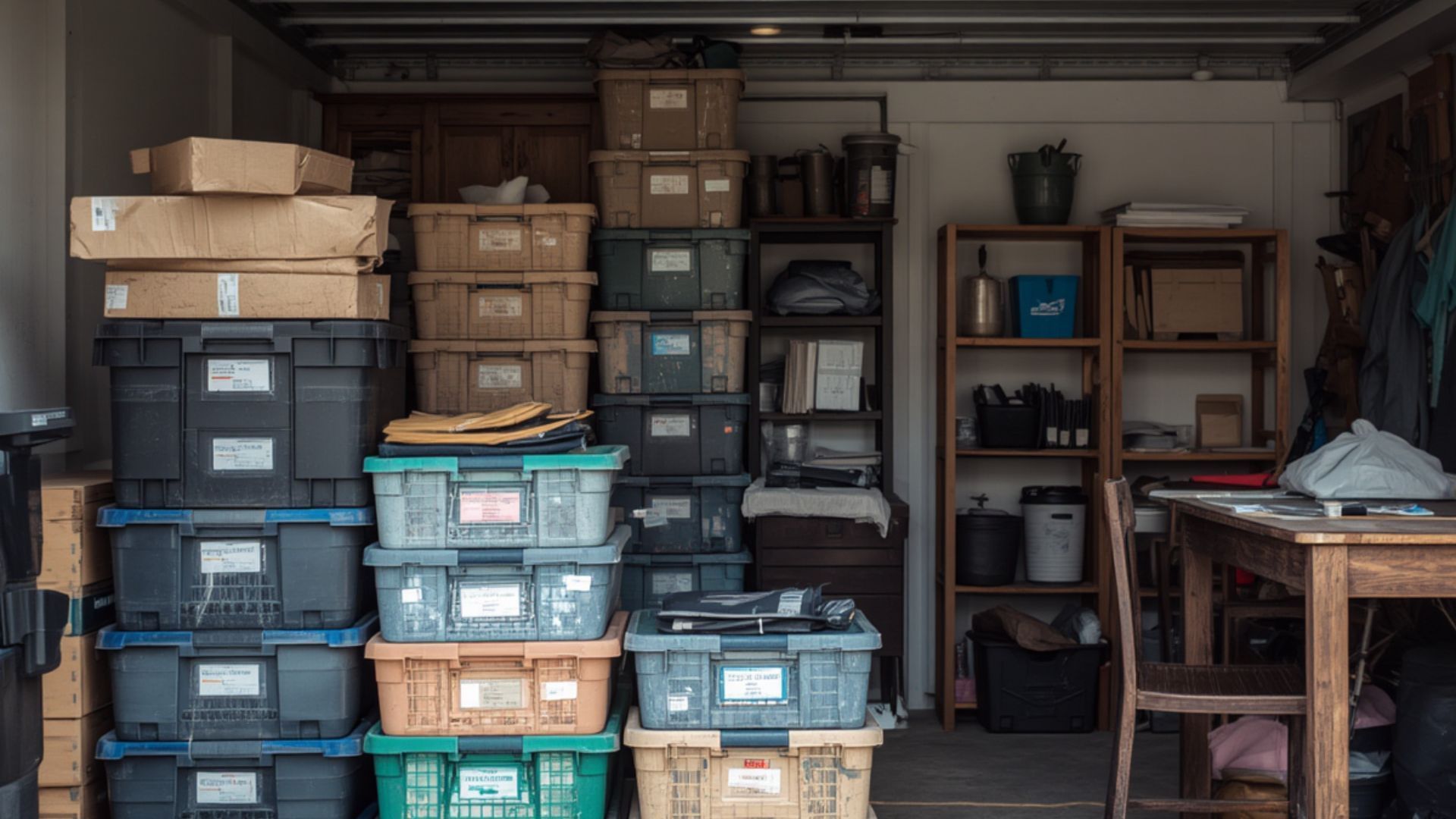
An efficient way to load a storage unit
- Place pallets or risers first
- Position large wood pieces with airflow gaps
- Add medium items while keeping a clear aisle
- Store soft goods separately from wood furniture
- Finish with lighter, labeled items near the front
This layout protects furniture and keeps access simple.
Storing wood furniture successfully requires understanding how wood responds to its environment. Cleaning, drying, breathable protection, elevation, airflow, and moisture control all work together to prevent damage when climate control is not available.
At ClimateCare Storage, those environmental concerns are already addressed. Our climate controlled facility in Paragould, Arkansas provides stable temperature and humidity year round, removing the biggest risks to wood furniture. You can take every precaution listed above, or you can store your furniture with ClimateCare Storage and know it is protected from the start.