Do You Really Need Climate-Controlled Storage? Here's When It's Necessary
At first glance, climate-controlled storage can feel like an optional upgrade rather than a necessity. After all, if your belongings are safely locked away, what difference does temperature or humidity really make? However, once you start considering how environmental factors affect everyday items, the answer becomes much less straightforward.
For those researching storage options in Paragould, it’s important to look beyond square footage and pricing and think about long-term protection. Facilities offering storage options in Paragould are designed with local climate conditions in mind, which can make a noticeable difference in how well your items hold up over time. In this article, we’ll explore when climate-controlled storage is genuinely necessary, when it may not be, and how Paragould’s environment plays a larger role than many people expect.
Understanding Climate Controlled Storage Beyond the Basics
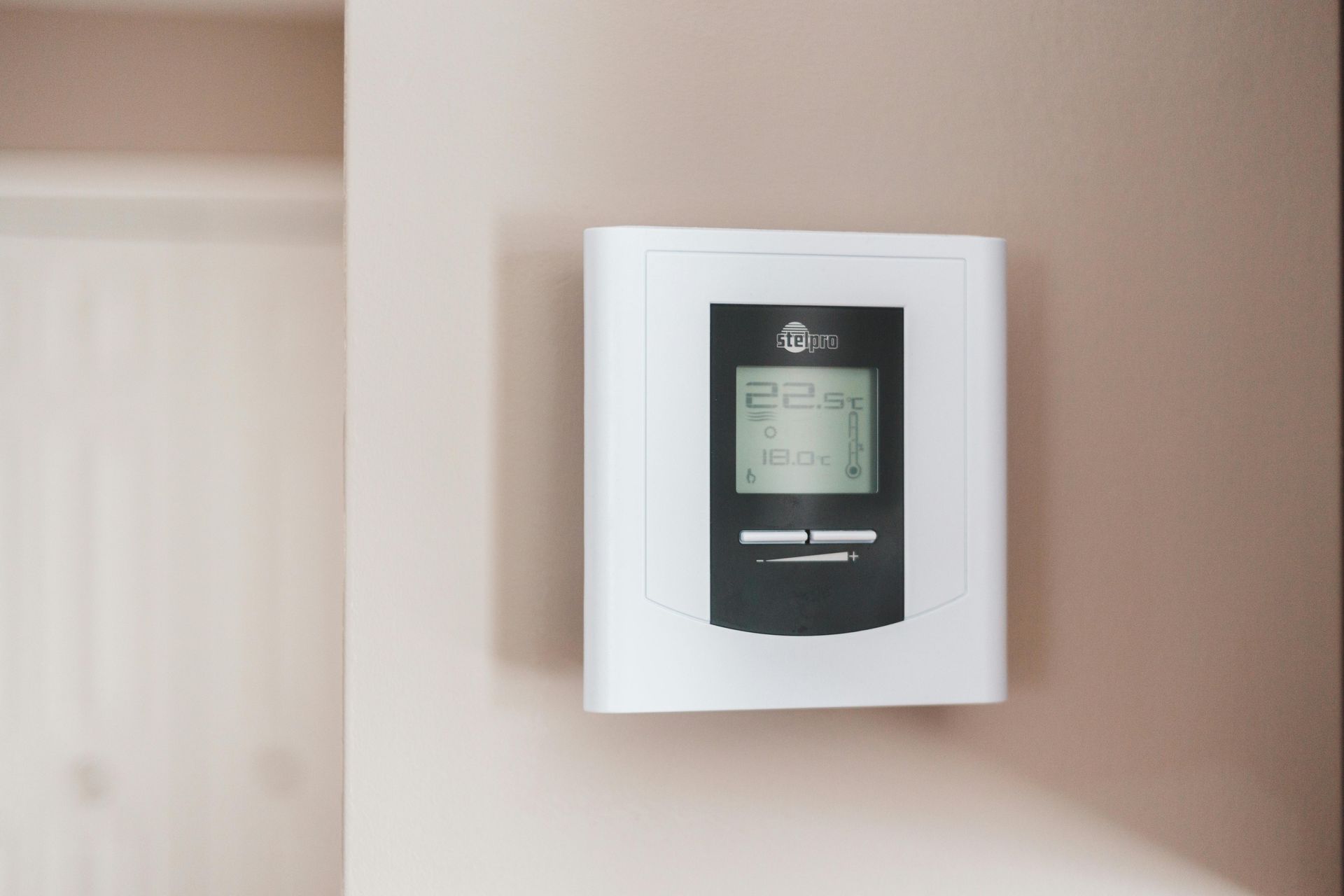
To begin with, climate-controlled storage is not just about keeping things cool in the summer or warm in the winter. Instead, it creates a consistent environment where both temperature and humidity are regulated year-round. This consistency is what helps prevent gradual damage that often goes unnoticed until it becomes serious.
In a standard storage unit, temperatures can rise significantly during Arkansas summers and drop during the winter months. At the same time, humidity levels can fluctuate dramatically, especially in regions like Northeast Arkansas. Over time, these shifts can cause materials to expand, contract, and absorb moisture.
As a result, items that seem perfectly durable can slowly deteriorate. For instance, adhesives weaken, wood loses its structural integrity, and fabrics begin to develop odours or mildew. Because this process happens gradually, many people do not realize the damage until they retrieve their belongings.
Why Paragould’s Climate Makes a Difference
When deciding whether climate-controlled storage is necessary, location plays a critical role. Paragould, Arkansas, experiences hot, humid summers followed by cooler, damp winters. While these seasonal changes are part of daily life, they can create challenging conditions for stored items.
Humidity, in particular, is a major factor. According to the National Weather Service, Arkansas regularly experiences high moisture levels in the air, especially during the warmer months. Even when temperatures are not extreme, this humidity can seep into storage units and affect sensitive materials.
At the same time, Paragould’s proximity to outdoor destinations like Crowley’s Ridge State Park means many residents own seasonal gear, from camping equipment to outdoor furniture. These items often go into storage during off-seasons, making it even more important to consider how environmental conditions will affect them over time. Therefore, while climate-controlled storage may not seem essential at first, Paragould’s combination of heat, humidity, and seasonal shifts makes it far more relevant than in milder climates.
Items That Benefit Most From Climate-Controlled Storage
Although not everything requires climate control, certain categories of items are far more vulnerable to environmental damage. In these cases, choosing a controlled environment is often the safer and more practical decision. For example, electronics are particularly sensitive. Internal components can corrode when exposed to moisture, and heat can damage circuits or batteries. Even if a device appears fine externally, internal deterioration may render it unusable later.
Similarly, wooden furniture is highly reactive to temperature and humidity changes. As conditions fluctuate, wood expands and contracts, which can lead to warping, cracking, or weakened joints. This is especially concerning for antique or high-value pieces that are difficult to repair or replace. Paper-based items, including books, photographs, and important documents, are also at risk. Moisture can cause pages to curl, ink to fade, and mold to develop. Over time, these effects can permanently damage items that may hold both practical and sentimental value.
Clothing and textiles follow a similar pattern. Fabrics can absorb moisture, leading to mildew and unpleasant odors. Delicate materials, in particular, may degrade faster when exposed to inconsistent conditions. If you’re unsure whether your belongings fall into these categories, the guide on climate-controlled storage FAQs in Paragould offers additional clarity on what items benefit most from this type of storage.
When Climate Controlled Storage Might Not Be Necessary
On the other hand, it’s worth noting that not every item requires this level of protection. In fact, many belongings can handle environmental fluctuations without significant issues, especially over shorter periods. For instance, items made of sturdy materials like metal or hard plastic tend to be more resilient. Tools, certain types of outdoor equipment, and durable household goods are less likely to be affected by temperature changes or humidity.
Additionally, if you’re storing items for a relatively short time, the risk of long-term damage decreases. However, timing still matters. Even a few months during peak summer humidity in Paragould can expose sensitive items to moisture-related issues. Ultimately, the decision comes down to evaluating both the material and the duration of storage. While it may be tempting to choose a standard unit to save money, it’s important to weigh that decision against the potential for damage.
The Long-Term Cost of Choosing the Wrong Storage Type
At this point, it’s helpful to think beyond the monthly rental cost and consider the long-term impact. While climate-controlled storage may come at a slightly higher price, it often prevents more expensive problems down the line. For example, replacing warped furniture or mold-damaged mattresses can quickly exceed the cost difference between storage types. Likewise, electronics affected by humidity may stop working altogether, requiring repair or replacement.
Perhaps more importantly, certain items simply cannot be replaced. Family photos, heirlooms, and personal keepsakes carry sentimental value that goes beyond monetary cost. Once these items are damaged, the loss is permanent. Because of this, climate-controlled storage becomes less about convenience and more about preservation. It offers a level of stability that helps protect both the financial and emotional value of your belongings.
Situations Where Climate Control Becomes the Smarter Choice
There are also specific scenarios where climate-controlled storage becomes the more logical option, even if your items are not obviously fragile. Long-term storage is one of the most common examples. The longer items remain in a unit, the more exposure they have to seasonal changes. Over time, repeated cycles of heat, cold, and humidity can gradually wear down even durable materials.
Another situation involves storing items with sentimental importance. Even if they are not inherently delicate, their value makes it worth taking extra precautions. Business-related storage is another consideration. Inventory, records, and equipment often need to remain in consistent condition, especially if they will be used or sold in the future. In these cases, maintaining quality is essential.
Additionally, seasonal storage is particularly relevant in Paragould. With access to outdoor activities like hiking and camping at nearby parks, many residents rotate gear throughout the year. Items stored during the off-season can benefit from a controlled environment, especially if they include fabrics, electronics, or other sensitive materials. For more practical guidance on preparing and organizing your unit, the article on climate controlled storage tips provides useful strategies that can help maximize protection.
Finding the Right Balance Between Cost and Protection
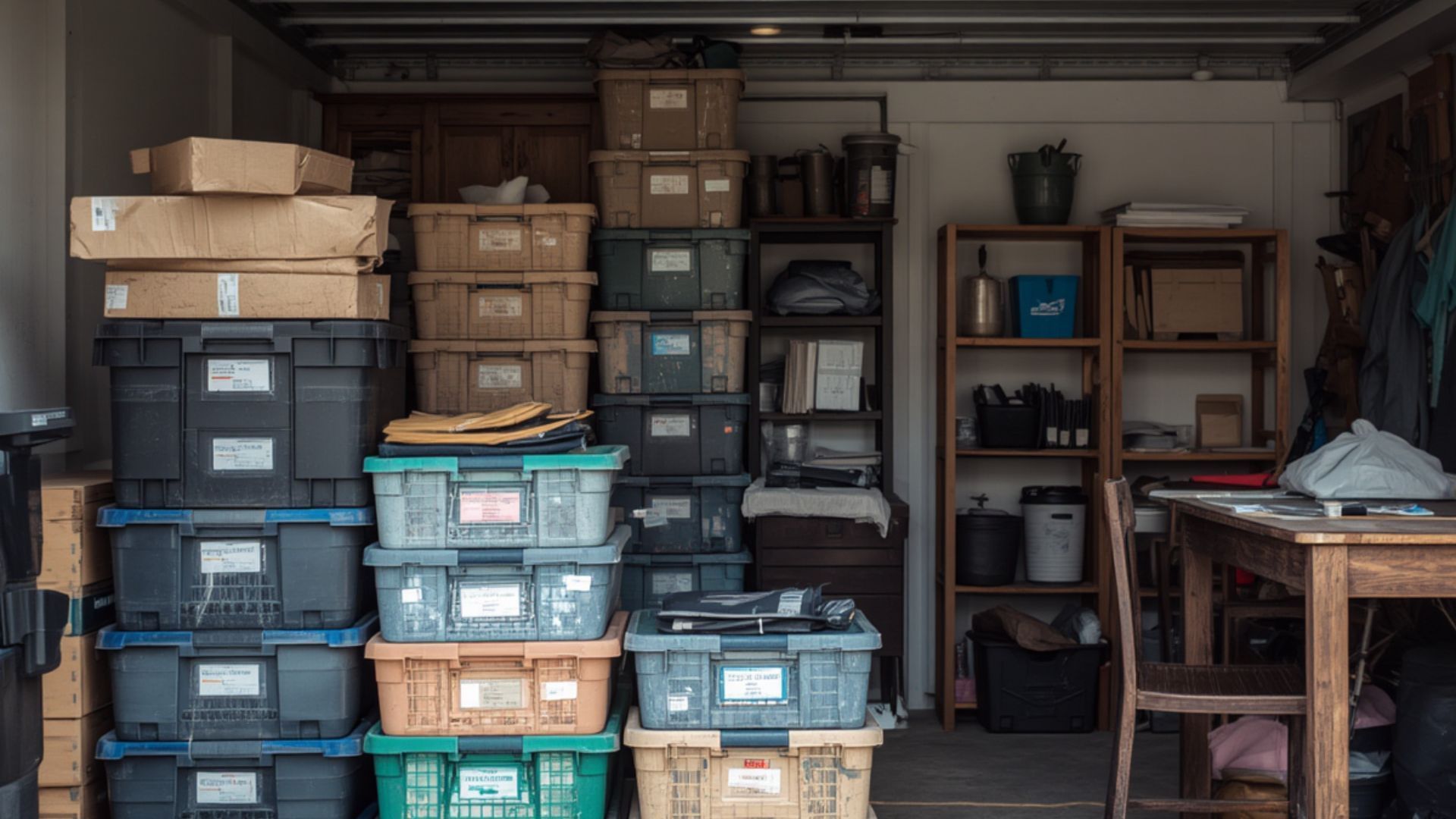
Even so, choosing climate-controlled storage does not have to be an all-or-nothing decision. In many cases, a balanced approach works best. You might decide to store your most sensitive or valuable items in a climate-controlled unit while placing more durable belongings in a standard space. This strategy allows you to focus your budget where it matters most while still protecting items that are at higher risk of damage. It also encourages a more thoughtful approach to organizing your belongings before placing them in storage. By taking the time to evaluate each item individually, you can make a more informed decision rather than relying on assumptions. Over time, this approach often leads to better outcomes and fewer surprises when you retrieve your items.
In the end, climate-controlled storage is not always necessary, but it is often more valuable than people initially assume. The combination of heat, humidity, and seasonal variation in Paragould, Arkansas, creates conditions that can quietly affect stored belongings over time. Therefore, understanding what you are storing and how long it will remain in storage is essential. For those exploring
storage options in Paragould, facilities like storage options in Paragould provide solutions designed to address these local challenges. With the right storage environment, you can reduce the risk of damage, preserve the condition of your belongings, and feel more confident about your decision.