Moving Soon? These 10 Smart Storage Tips Can Save You Time, Money, and Stress
Few life events require as much planning and organization as moving. Packing up an entire home can quickly become overwhelming when every room is filled with boxes, furniture waiting to be disassembled, and dozens of small tasks competing for your attention. Even when you're excited about settling into a new home, the moving process itself can feel stressful without a solid plan. Fortunately, one simple decision can make nearly every stage of your move easier: incorporating self-storage into your moving timeline. Having access to extra space allows you to pack gradually, reduce clutter inside your current home, and keep important belongings protected until you're ready for them. Instead of trying to fit every box into your garage or stacking furniture throughout the house, you gain room to breathe while staying organized.
If you're looking for convenient storage options in Paragould, planning can help eliminate many of the common frustrations that accompany moving. Whether you need temporary storage while waiting for closing day, extra room during renovations, or simply a place to keep belongings while you get settled, having a storage unit available gives you valuable flexibility throughout the process. Before selecting a unit, it is also helpful to estimate how much space you'll actually need. Using our Storage Unit Size Guide can help you choose the right unit for your furniture, appliances, boxes, and seasonal belongings without paying for unnecessary space. A little preparation now can save both time and money later.
Key Points for Readers Short on Time
- Begin planning your move several weeks in advance instead of waiting until the last minute.
- Declutter before packing so you only move items you truly want to keep.
- Select the proper storage unit size to maximize space and avoid unnecessary costs.
- Label every box clearly and organize your storage unit with accessibility in mind.
- Protect furniture, appliances, and valuable belongings with quality packing materials and careful preparation.
With those basics in mind, let's explore ten storage tips that can make your next move significantly easier from start to finish.
1. Start Planning Earlier Than You Think You Need To
One of the most common mistakes people make during a move is assuming they'll have plenty of time. Weeks can disappear surprisingly fast once you begin scheduling movers, changing your address, transferring utilities, coordinating with family members, and packing an entire household. Before long, moving day arrives, and many people find themselves scrambling to finish everything at once. Instead, begin planning at least a month before your anticipated move whenever possible. Starting early gives you time to sort through your belongings thoughtfully rather than making rushed decisions. It also allows you to gather quality packing supplies, reserve a storage unit if needed, and create a realistic timeline for completing different tasks.
Using storage early in the process can dramatically reduce stress. Rather than packing your entire home during one hectic weekend, you can gradually move seasonal decorations, extra furniture, collectibles, keepsakes, and items you rarely use into storage. As your home becomes less crowded, it becomes much easier to clean, organize, and prepare everything else for moving day. This gradual approach also gives you greater flexibility if your closing date changes or unexpected delays occur. Instead of feeling pressured to move everything immediately, you'll already have many belongings safely stored and ready whenever you need them.
2. Declutter Before You Pack a Single Box
Packing items you no longer use simply creates more work. Every unnecessary belonging requires a box, packing materials, transportation, and eventually another place to unpack. Taking time to declutter before packing often saves dozens of hours throughout the entire moving process. Walk through your home one room at a time and honestly evaluate each item. Ask yourself whether you've used it recently, whether it still fits your lifestyle, and whether you would purchase it again today. If the answer is no, it may be time to donate, recycle, or responsibly dispose of it.
Decluttering also helps you use your storage unit more efficiently. Instead of filling valuable space with broken furniture, duplicate kitchen gadgets, or clothing that no longer fits, you can reserve that room for belongings you genuinely value. Many people are surprised by how much lighter and more manageable their move becomes after eliminating unnecessary items. In addition to reducing moving costs, you'll also enjoy a more organized home once you've settled into your new space.
3. Choose the Right Storage Unit Instead of Guessing
After deciding what you're keeping, the next step is selecting a storage unit that matches your needs. Renting too small a unit often results in overcrowded boxes and difficult access, while renting one that's much larger than necessary may increase your monthly expenses without providing additional value. Fortunately, estimating the right size doesn't have to involve guesswork. Reviewing our Storage Unit Size Guide provides helpful recommendations based on the number of rooms you're storing, the size of your furniture, and the volume of boxes you expect to have. As you organize your unit, think beyond simply fitting everything inside. Leave narrow walkways whenever possible so you can retrieve seasonal decorations, important paperwork, or family keepsakes without unpacking half the unit. Maintaining accessible pathways may take a little more planning initially, but you'll appreciate the convenience later.
4. Invest in Quality Packing Supplies
Although it may be tempting to collect free boxes from grocery stores or reuse worn moving cartons from previous moves, poor-quality packing materials often lead to damaged belongings. Boxes weaken over time, tape loses its adhesive strength, and thin cardboard may collapse under heavy loads. Instead, purchase sturdy moving boxes in several sizes, heavy-duty packing tape, bubble wrap, packing paper, furniture blankets, and mattress covers. These materials provide better protection throughout transportation and while your belongings remain in storage.
Additionally, consider creating a detailed inventory before moving, document valuable belongings with photographs and written records as part of an overall household preparedness plan. Maintaining an inventory can simplify insurance claims and help you keep track of your possessions throughout the move. Taking a little extra time to pack properly often prevents costly damage and unnecessary frustration later.
5. Label Every Box Like Your Future Self Will Thank You
Many people simply write "Kitchen" or "Bedroom" on their boxes. While this may seem sufficient during packing, those labels become much less helpful several weeks later when you're searching for one specific item. Instead, include both the destination room and a short description of what's inside. Labels such as "Kitchen: Mixing Bowls," "Office: Tax Documents," or "Bathroom: Guest Towels" make locating specific belongings much easier.
You may also want to number each box and keep a master inventory list on your phone or computer. Some people even place colored labels on boxes to correspond with different rooms inside their new home. Although labeling requires extra effort during packing, it dramatically reduces the time spent searching through boxes after your move.
6. Pack Your Storage Unit with a Plan Instead of Filling Empty Space
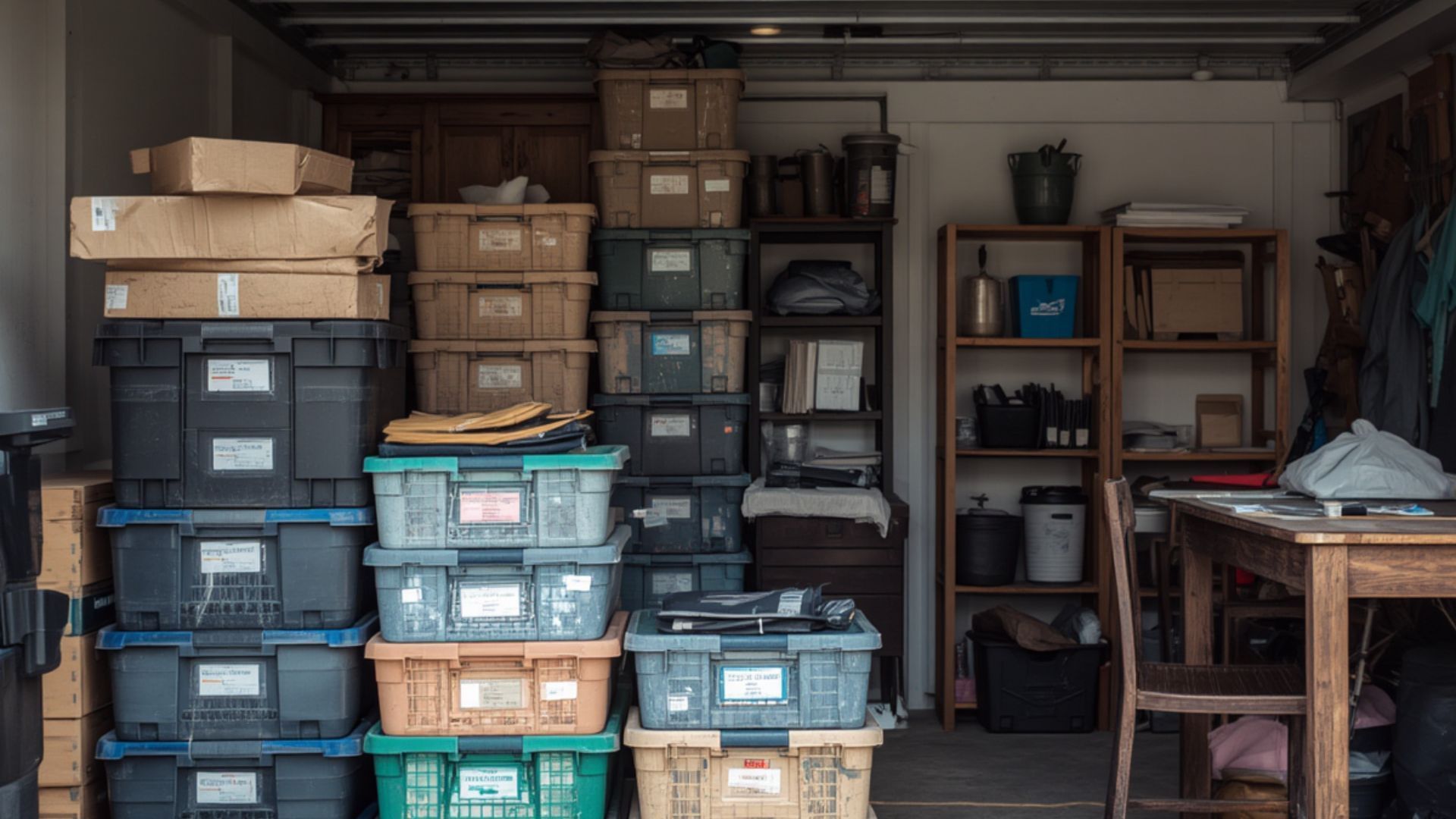
Once you arrive at your storage unit, resist the temptation to simply place items wherever they fit. A well-organized unit will save countless hours if you need to retrieve belongings later. Start by placing large furniture and heavy appliances toward the back of the unit. Stack sturdy boxes on the bottom and lighter boxes above them. Fragile items should never support significant weight, so keep delicate belongings on top where they are less likely to become damaged.
Equally important, leave a narrow aisle through the center whenever space allows. This simple strategy lets you access important boxes without unloading everything else first. If you're storing household items while remodeling before or after your move, many of these same organizational strategies also apply. The article about where to put your stuff during a home project in Paragould offers additional ideas for keeping your belongings protected and accessible while your home is temporarily unavailable. Planning your layout from the beginning can save considerable effort throughout your storage experience.
7. Prepare Furniture Carefully Before It Goes Into Storage
Furniture often represents some of the largest and most valuable belongings you'll place into storage. Proper preparation helps preserve both appearance and functionality while reducing the risk of damage. Begin by thoroughly cleaning every piece before storing it. Dust, food residue, and moisture can create problems over time if left untreated. Wooden furniture should be wiped clean and protected with breathable covers rather than plastic wrap, which may trap moisture inside.
Whenever possible, disassemble large furniture such as dining tables, bed frames, shelving units, and desks. Place hardware inside labeled plastic bags and tape them securely to the corresponding furniture piece or store them together inside a clearly marked container. Taking these additional steps requires a little more effort during packing, but they often prevent scratches, warped materials, and misplaced hardware during unpacking.
8. Keep Frequently Used Belongings Within Easy Reach
Not every item placed into storage will stay there until the very end of your move. In fact, you'll likely need access to several essentials while you're settling into your new home. Rather than burying everything behind rows of furniture, organize the front of your storage unit with items you may need sooner, including:
- Cleaning supplies
- Important documents
- Basic household tools
- Chargers and electronic accessories
- Seasonal clothing
- Pet supplies
- Extra linens
- Small kitchen appliances
This thoughtful organization prevents unnecessary frustration and makes your storage unit much more functional throughout the moving process.
9. Remember That Storage Isn't Just for Household Belongings
Many people associate storage exclusively with residential moves, but it can also solve a variety of business challenges. If you operate a small business in Paragould, moving may involve office furniture, archived files, excess inventory, marketing materials, or equipment that won't immediately fit into your new workspace. Keeping these items organized in storage allows your new office to remain functional while giving you additional time to decide where everything belongs. If you're interested in more ways businesses benefit from self-storage, the article on small business storage in Paragould explores practical solutions that help local businesses stay organized without overcrowding valuable office space. Thinking beyond traditional household storage often reveals opportunities to simplify multiple aspects of your move at once.
10. Give Yourself Time to Enjoy Your New Community
One of the greatest advantages of using storage during a move is that it removes the pressure to unpack everything immediately. Once the essentials are in place, you can gradually organize the rest of your belongings while taking time to enjoy your new surroundings. Paragould offers plenty of opportunities to unwind after the demands of moving. Crowley's Ridge State Park, located nearby, features scenic hiking trails, fishing opportunities, camping areas, and beautiful natural landscapes that make excellent weekend destinations. Spending a day outdoors can provide a refreshing break before tackling another round of unpacking. For additional information about outdoor recreation throughout northeast Arkansas, visit the Arkansas State Parks official website. Taking occasional breaks throughout the moving process helps maintain momentum while making your transition into your new home far more enjoyable.
A successful move is rarely the result of luck. Instead, it comes from thoughtful preparation, careful organization, and making smart decisions before moving day arrives. From decluttering early and investing in quality packing materials to choosing the right storage unit and organizing it efficiently, every small step contributes to a smoother experience. Most importantly, remember that storage is not simply a place to keep extra belongings. It is a practical tool that gives you flexibility when timelines change, protects valuable possessions during periods of transition, and allows you to settle into your new home at a comfortable pace rather than feeling rushed. If you're preparing for an upcoming move, exploring storage options in Paragould can help simplify every stage of the process. Likewise, reviewing the Storage Unit Size Guide before packing can help you choose a unit that fits your belongings efficiently, making your move more organized from beginning to end.