Long-Term Storage Done Right: A Practical Guide to Protecting Your Belongings
Putting belongings into storage for several months or longer takes a little more preparation than packing for a short move. Furniture needs protection from scratches and moisture, electronics require careful handling, and boxes must remain sturdy enough to support their contents over time. Knowing how to prepare items for long-term storage helps prevent damage that might not become noticeable until you're ready to retrieve everything.
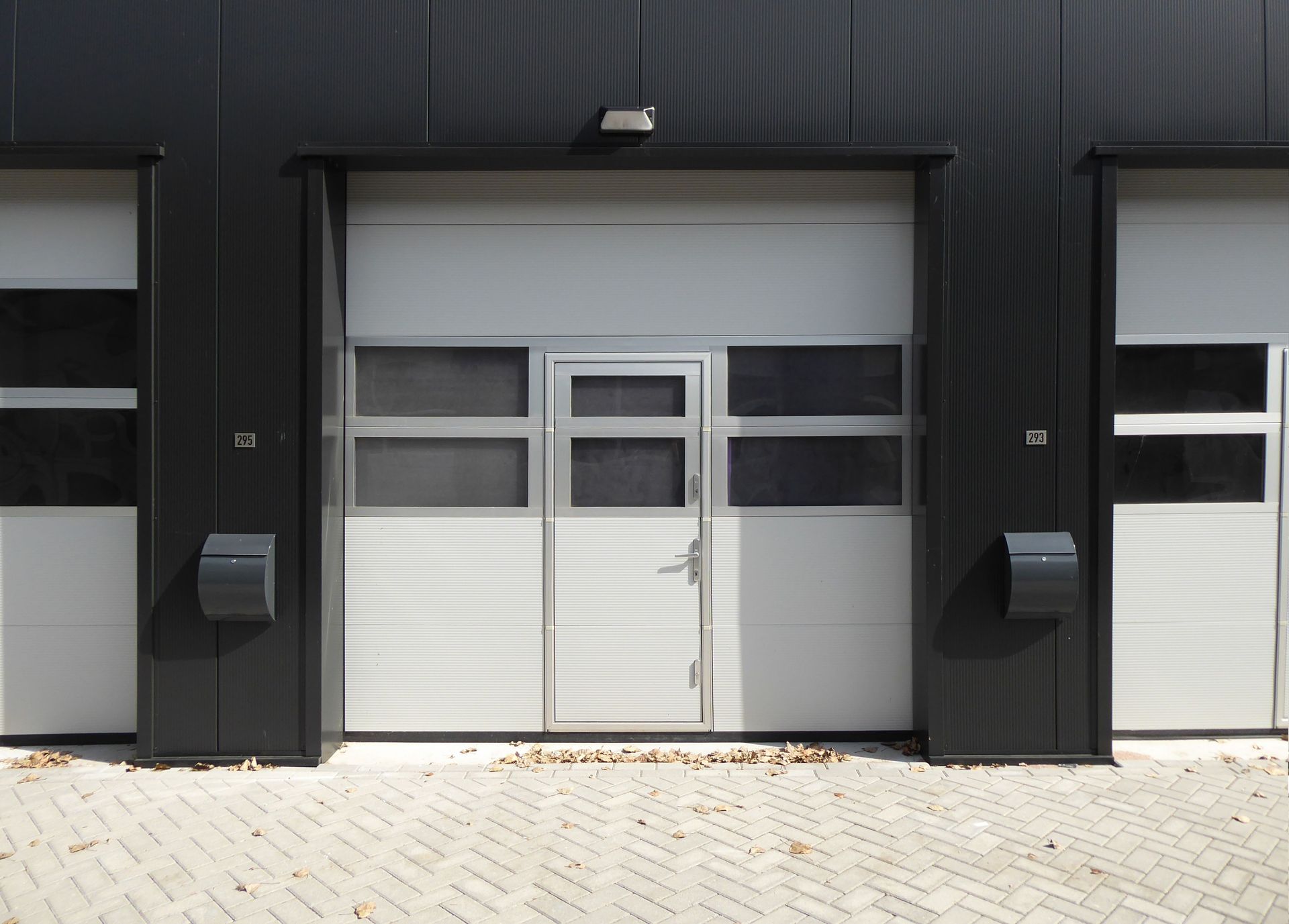
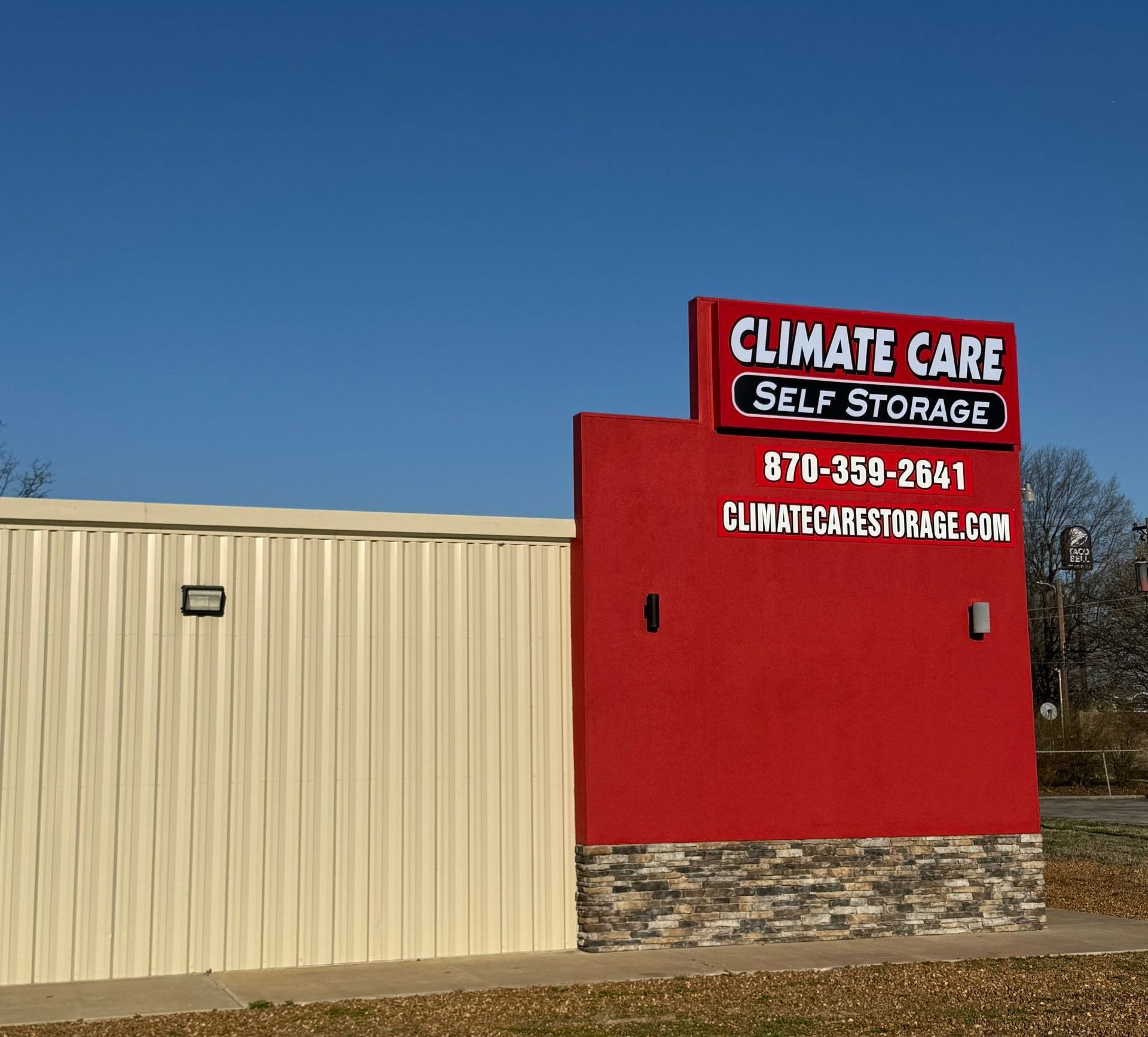
At Climate Care Storage, we provide indoor, climate-controlled units for residents and businesses in Paragould, Arkansas. Our facility is located at 2402 W Kingshighway, just off U.S. Highway 49, with several unit sizes available for different storage needs. If you're planning to keep belongings out of the way for an extended period, reviewing our storage options in Paragould is a useful starting point for choosing a space that accommodates your belongings without overcrowding them.
Start by Deciding What Belongs in Long-Term Storage
Before purchasing packing supplies or moving furniture, sort through everything you intend to store. Separate belongings you expect to use within the next few months from those that can remain packed away longer. This helps determine how much space you'll need and which items should remain accessible near the entrance of your unit. Take measurements of larger furniture and count the boxes you expect to bring. Don't base your unit size entirely on how tightly everything could fit. Furniture needs room for protective coverings, fragile belongings shouldn't be stacked under heavy containers, and a narrow walkway makes it possible to inspect your belongings without unloading the entire space.
At our Paragould facility, we offer indoor climate-controlled units in sizes including 5x5, 5x10, 10x10, 10x15, and 10x20. Smaller spaces work well for a limited collection of boxes and compact belongings, while larger units accommodate furniture and more extensive household storage. The right size depends on the actual dimensions of your items and how much access you'll need during your rental.
Clean and Dry Everything Before Packing
One of the most important long-term storage tips is to never pack belongings while they're dirty or damp. Dust, food residue, and moisture can remain on surfaces for months, potentially damaging finishes or creating unpleasant odors. Cleaning everything before loading your unit also makes unpacking easier when the time comes. Wipe down furniture with products appropriate for its materials, vacuum upholstery, and wash fabrics according to their care labels. Give cushions, rugs, and other absorbent materials enough time to dry completely before covering them. Even when a fabric surface feels dry, moisture may remain deeper inside its padding.
Appliances need attention as well. Clean and dry their interiors, remove any remaining food residue, and follow manufacturer instructions for preparing them for extended storage. Refrigerators and freezers should be fully defrosted and dried, with doors positioned according to the manufacturer's storage guidance to prevent stale odors and trapped moisture. The same cleaning principles apply once everything is inside your unit. Our guide to cleaning a storage unit explains how to maintain the space, manage packing debris, and check stored belongings during a longer rental.
Choose Packing Materials That Hold Up Over Time
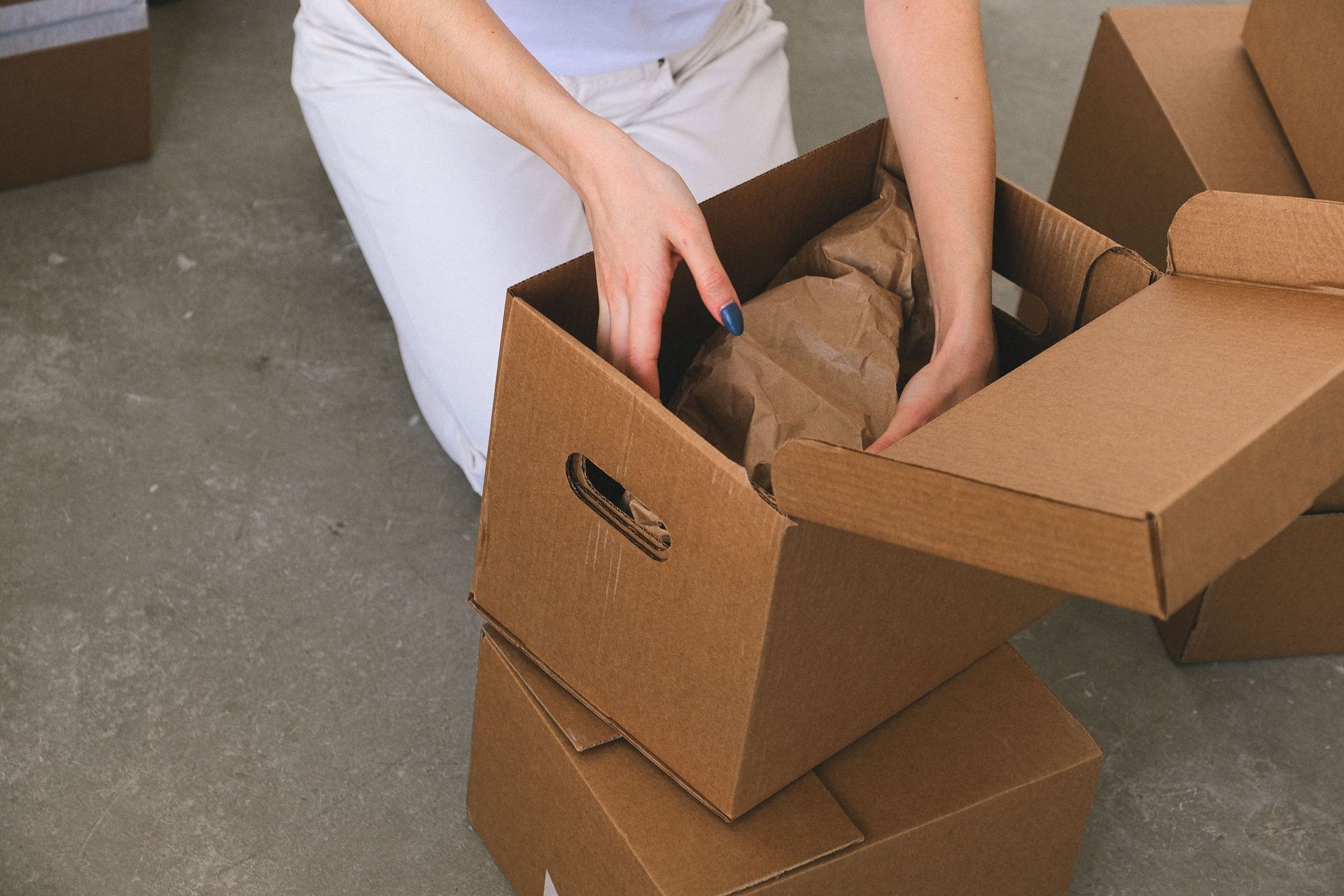
Packing supplies matter more when boxes will remain stacked for a year than when they're being moved across town for a weekend. Previously used cardboard boxes may have weakened corners, damaged bottoms, or tape that no longer holds securely. Choose sturdy containers appropriate for the weight of their contents, particularly for books and other dense belongings. Plastic containers with secure lids are useful for many household items because they provide a firm structure and help keep dust away. Cardboard boxes are also suitable when they're clean, dry, and strong enough for stacking. Avoid overfilling either type of container, since excessive weight makes boxes difficult to move and increases the chance of damage.
For delicate belongings, use packing paper, protective padding, or acid-free materials where appropriate. Keep fragile pieces separated so they don't rub against each other. Glassware and ceramics should be wrapped individually and packed in containers that won't have heavy boxes placed on top.
Label Boxes for Future Access
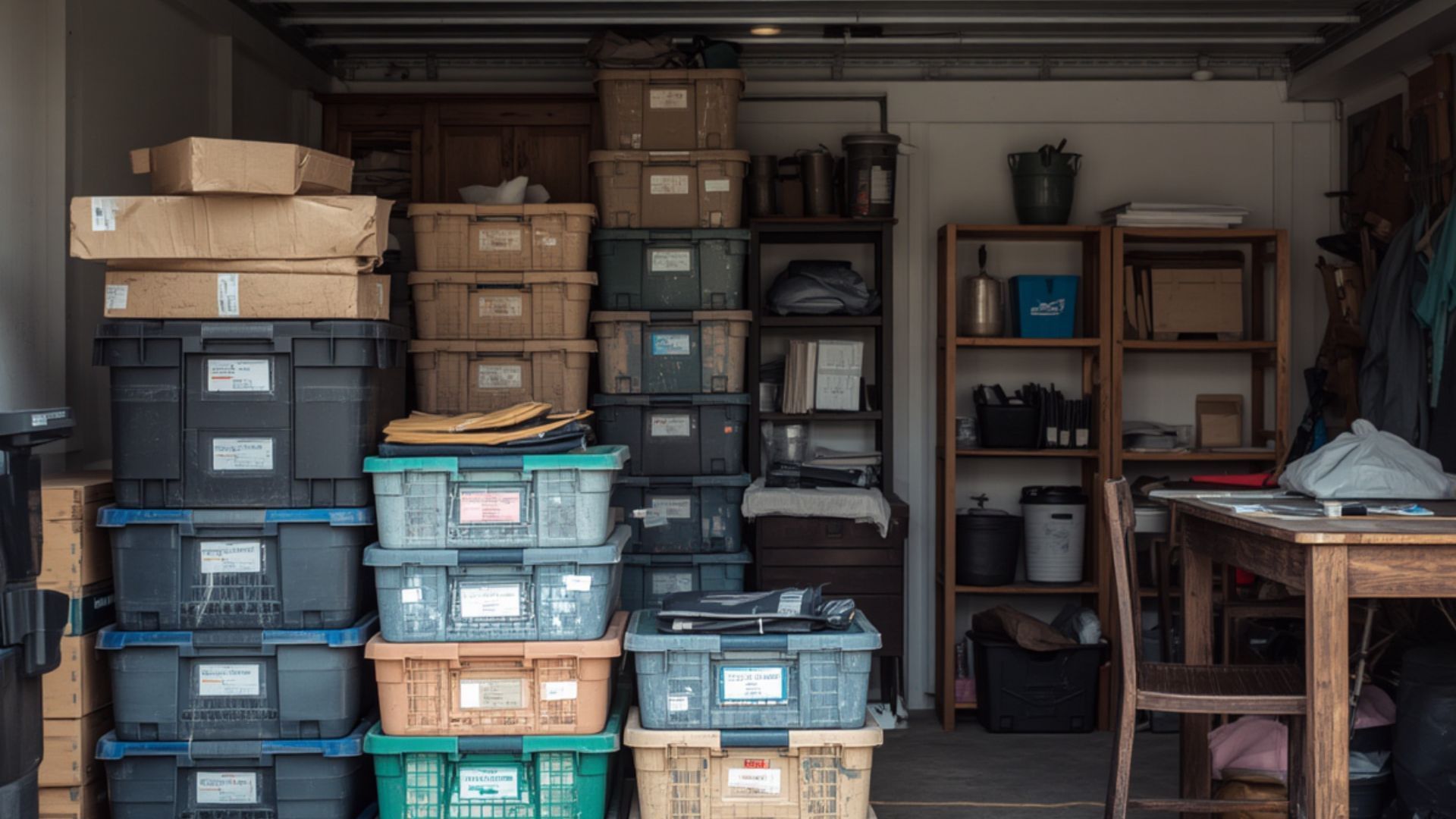
A label such as "miscellaneous" won't be particularly helpful six months later. Write a short description of the contents on at least two sides of each container, along with the room or category it belongs to. This allows you to identify boxes even when they're stacked with their tops out of view.
For a larger collection, number the boxes and maintain a separate inventory on your phone or computer. Record the contents of each numbered container and note where important belongings are positioned inside the unit. Photographs of valuable items and furniture condition are also useful records to keep before moving anything into storage.
Protect Furniture During Extended Storage
Furniture requires different preparation depending on its construction. Solid wood, upholstery, leather, and metal components respond differently to storage conditions, so using the same covering for every piece isn't always appropriate. Begin by cleaning each item and inspecting it for existing damage before deciding how to pack it.
Wooden Furniture
Wood naturally absorbs and releases moisture, which can affect its shape and finish over time. Clean wooden surfaces with suitable products, remove any remaining moisture, and protect exposed edges during transportation. Breathable furniture covers are preferable to tightly wrapping an entire wooden piece in plastic, which can trap moisture against its surface.
Disassemble tables, bed frames, and other large pieces when their construction allows it. Place screws, brackets, and small hardware in labeled bags, then keep them with the corresponding furniture. Support long or heavy components evenly so they don't bend or place unnecessary pressure on joints during storage.
Upholstered Furniture and Mattresses
Vacuum upholstered furniture thoroughly, paying attention to seams and the spaces beneath cushions. Allow recently cleaned upholstery to dry before covering it. Use clean, breathable furniture covers where appropriate, and avoid setting heavy containers on cushions or padded surfaces that could develop permanent indentations.
Mattresses should be cleaned, dried, and placed in suitable protective covers before storage. Check the manufacturer's recommendations for positioning, since some mattress constructions require flat support during extended periods. Keeping the mattress properly supported helps prevent unnecessary stress on its internal materials.
Prepare Electronics Before Putting Them Away
Electronics are particularly sensitive to moisture, dust, and rough handling. Before packing televisions, computers, gaming systems, or other devices, disconnect them from power and remove detachable accessories. Use the original packaging when it's available, since the inserts are designed to support the equipment during transportation. If the original box is gone, choose a sturdy container with adequate cushioning and enough room to prevent pressure against screens or delicate components. Remove batteries from devices when recommended by the manufacturer, and store battery-powered equipment according to its specific instructions. Keep cords labeled so they're easy to reconnect later.
Climate-controlled storage is particularly useful for electronics because it reduces exposure to extreme temperature fluctuations. At Climate Care Storage, our indoor units provide a more consistent environment for temperature-sensitive belongings, though proper packaging and dry equipment remain essential.
Store Clothing, Documents, and Keepsakes Carefully
Clothing and household textiles should be freshly cleaned and completely dry before being packed. Fold items neatly into clean containers without compressing them excessively, especially if the fabric is delicate. For garments that need to maintain their shape, consider suitable garment storage methods rather than leaving them tightly folded for months. Important papers and photographs require additional care. Use archival-quality, acid-free materials for documents and photographs you intend to preserve, and avoid placing adhesive tape directly on original papers. Keep irreplaceable documents and items requiring specialized preservation in a location appropriate to their value and sensitivity.
Seasonal decorations and keepsakes should also be packed according to their materials. Wrap fragile ornaments individually and use divided containers where practical. Avoid stacking heavy belongings on boxes containing delicate objects, even when the outer container appears sturdy. For particularly important records, keep secure copies outside the unit. Original identification documents and records needed during emergencies should remain readily accessible.
Why Climate-Controlled Storage Matters for Long-Term Protection
Some belongings are more sensitive to their surroundings than others. Wooden furniture can expand or contract as moisture levels change, while paper, fabrics, and electronic components may deteriorate when exposed to unfavorable conditions for extended periods. Choosing the right storage environment is especially important when you don't expect to retrieve your belongings for several months. Our units are suitable for belongings such as furniture, electronics, clothing, and business records that benefit from reduced exposure to temperature and humidity fluctuations.
Still, climate control doesn't eliminate the need for careful packing. A damp sofa or poorly sealed container can develop problems regardless of where it's stored. The best approach combines an appropriate indoor environment with clean belongings, protective materials, and a unit layout that allows for occasional inspections.
Organize Your Storage Unit for the Months Ahead
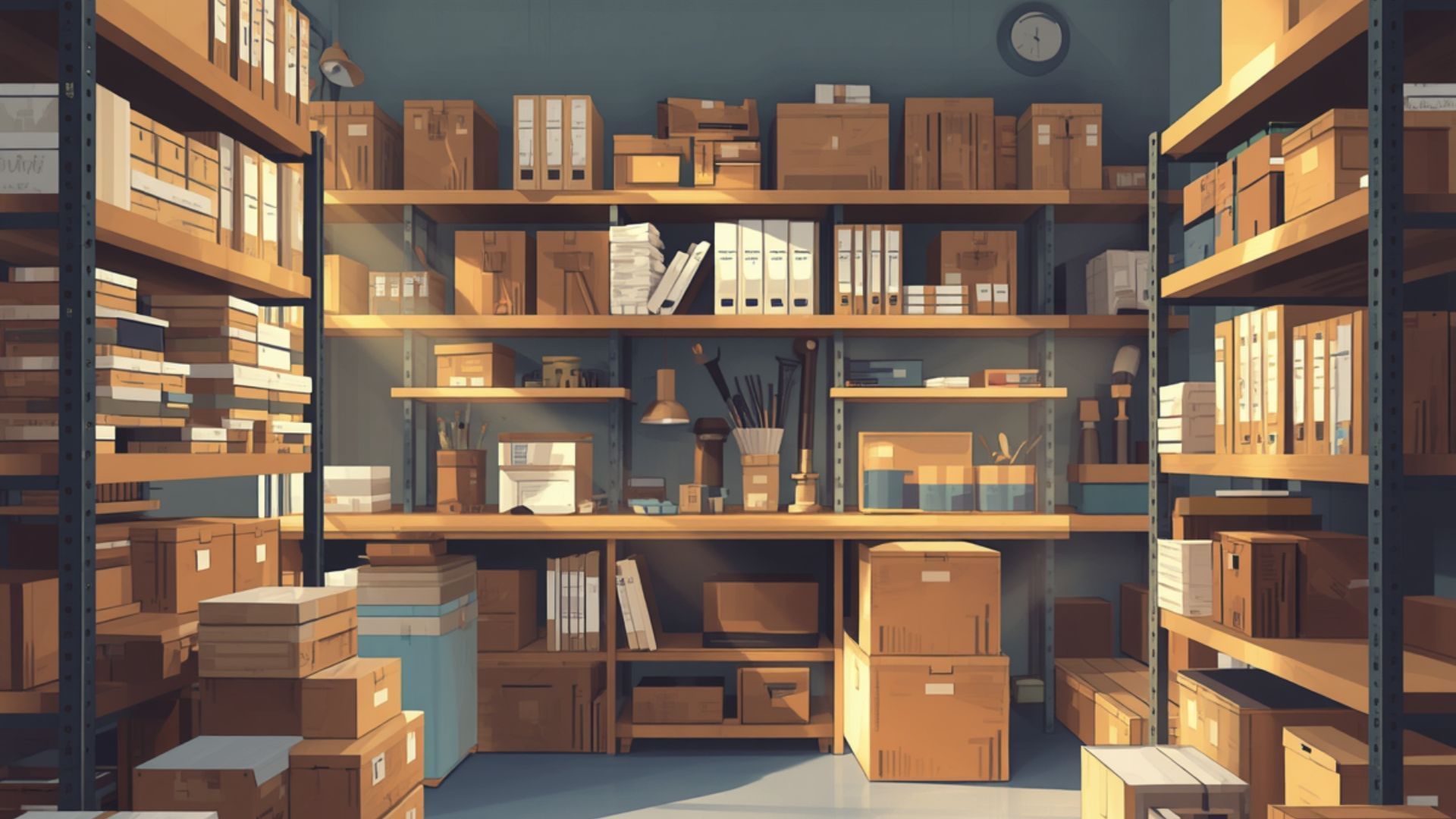
Once your belongings are properly packed, think about where everything should go. The arrangement that works for moving day isn't necessarily the best arrangement for a long rental. You need to consider which belongings will remain untouched, which might need to be retrieved, and how to prevent boxes or furniture from shifting. Start with larger furniture and heavier containers, placing them where they'll have stable support. Keep heavy boxes near the bottom of stacks and lighter containers above them. Fragile belongings should have their own protected positions rather than being squeezed into gaps beneath other items.
Leave a narrow walkway whenever the unit's dimensions allow it. Avoid pressing furniture tightly against walls, and don't overload shelving or stack containers beyond their weight limits. A little space between stored belongings also makes it easier to check for damaged packaging or moisture during future visits. For anyone preparing for a relocation, our 10 storage tips before your move offer additional guidance on packing, planning your timeline, and arranging belongings inside a unit.
Check Your Belongings During Long-Term Storage
Even carefully prepared belongings deserve an occasional inspection. You don't need to unpack everything, but checking the condition of containers and furniture coverings can reveal problems before they become more serious. Look for damaged cardboard, loose lids, shifting stacks, and any signs of unwanted moisture. At our facility in Paragould, renters have access to their units 24 hours a day, seven days a week. This makes it possible to inspect belongings or retrieve something outside traditional office hours. Our office is open Monday through Friday from 9 a.m. to 5 p.m., so questions requiring staff assistance should be planned around those hours.
During each visit, remove discarded packing supplies and update your inventory if you've added or retrieved belongings. If a box has weakened or a furniture covering has shifted, replace or reposition it before leaving. Small maintenance tasks are easier to manage than reorganizing an entire unit after months of neglect.
Review Storage Rules and Insurance Before Moving In
Before committing to an extended rental, confirm that everything you intend to store is permitted under the facility's rules. Food, hazardous materials, flammable substances, and other restricted belongings may not be appropriate for a storage unit. Review the rental agreement rather than assuming an item is acceptable simply because it fits inside. Insurance deserves attention too. Check whether your existing homeowners, renters, or business insurance covers belongings stored away from your primary property. Coverage terms, exclusions, and limits vary by policy, so confirm the details with your insurance provider before placing valuable possessions into storage.
Keep photographs and a written inventory of your stored belongings in a separate, accessible location. Include descriptions and serial numbers where relevant. These records are useful for tracking your property over time and documenting its condition if you ever need to make an insurance claim.
Keep Your Belongings Ready for the Future
Long-term storage works best when you prepare for the condition you want your belongings to be in when you retrieve them. Clean and dry everything before packing, use materials suited to each item, and organize the unit so furniture and boxes remain properly supported. If your rental continues longer than expected, occasional inspections will help you keep the space manageable.
At Climate Care Storage, we offer indoor climate-controlled units at 2402 W Kingshighway in Paragould, with 24-hour access and multiple sizes for different storage needs. If you're deciding how much space your belongings will require, you can
explore
storage options from Climate Care Storage to review available units and plan a layout that leaves room for proper protection and access.